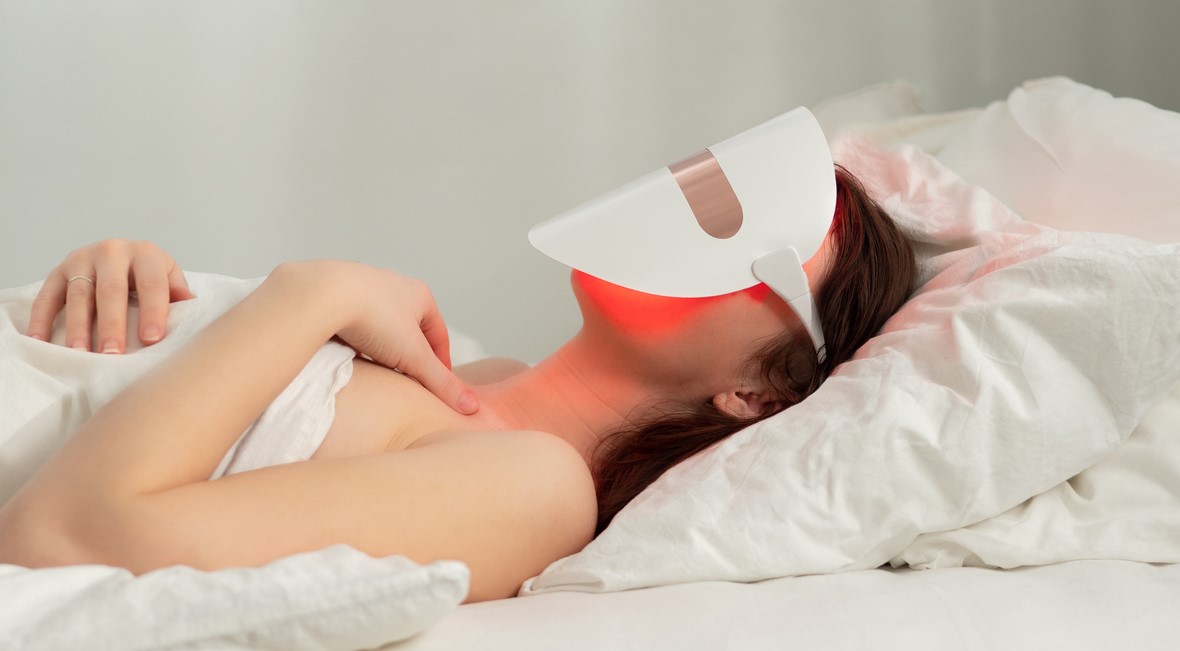
Professional skin treatments deliver results — but the cost, scheduling, and repeat visits make them hard to sustain long-term. That is exactly the gap at-home beauty devices are built to fill. Used consistently and correctly, they make clinic-style skin routines accessible on your own schedule, without a standing appointment or an ongoing bill.
This guide covers what building an at-home beauty clinic actually means, how the costs compare, what home devices genuinely do well, and how to start building your own setup the smart way.
What “At-Home Beauty Clinic” Actually Means
An at-home beauty clinic is not about replacing every professional procedure. It is a structured, device-led home routine that targets real skin concerns consistently, using tools designed and cleared for safe personal use.
The difference from standard skincare is that these devices work at a level topical products cannot reach on their own — using light energy, electrical current, or radio frequency to support skin improvement from within. That is what makes them clinic-adjacent rather than just another addition to your shelf.
Results come gradually through regular use, not from a single high-intensity session. That expectation is important to set early, because the real value of home devices is long-term access and cost control — not overnight transformation.
The Real Cost of Clinic Treatments
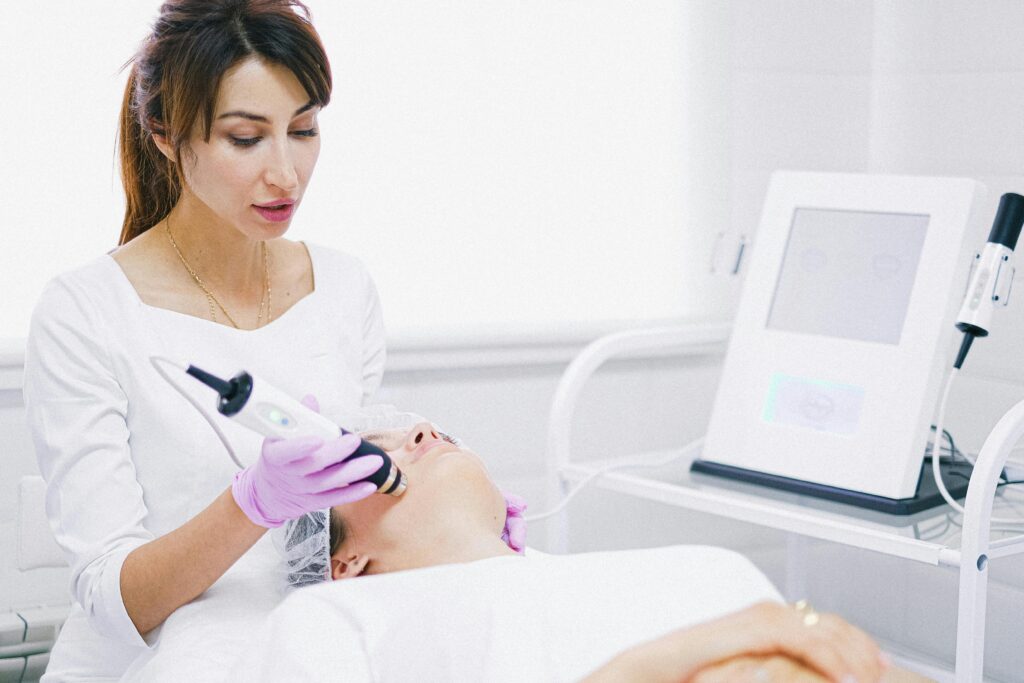
Clinic treatments are priced per session, and most require multiple sessions before the full course is complete.
Laser skin resurfacing averages $1,829 per session according to the American Society of Plastic Surgeons, with ranges that vary widely depending on the technology and treatment area. RF skin tightening typically runs between $200 and $1,200 per session in the US. IPL hair removal is generally priced from $50 to $600 per session depending on area size, and in-clinic LED and red light therapy sessions typically range from $25 to $300.
Treatment | Typical cost per session (in the US) |
Laser skin resurfacing | $1,829 average; range roughly $900 – $5,000 |
RF skin tightening | $200 – $1,200 |
IPL hair removal | $50 – $600 depending on area |
LED / red light therapy | $25 – $300 |
The per-session figure is only part of the picture. Most treatments require a series — a full course of laser hair removal, for example, typically involves 4 to 6 sessions or more because the treatment only works on hair in its active growth phase. Spaced over several weeks, a single treatment area alone can run into the hundreds or thousands before the initial course is done, with periodic maintenance sessions needed after that.
What At-Home Devices Cost — and Save
Home devices shift the cost model entirely. Instead of paying per session, you make a one-time purchase and the cost per use drops significantly over time.
Device category | Typical price range |
IPL hair removal device | $150 – $400 |
LED light therapy mask | $100 – $600 |
Microcurrent facial device | $100 – $400 |
At-home RF device | $150 – $500 |
Non-ablative home laser | $300 – $700 |
A mid-range IPL device at around $300 already costs less than a single mid-priced clinic session for the same concern — and covers unlimited home use after that. The long-term savings become even more significant when you account for a full treatment course plus ongoing maintenance that clinics typically charge for at each visit.
The trade-off is real: home devices require your time, consistency, and correct usage. There is no technician managing the settings or monitoring your skin. That is a genuine difference, and it is exactly why understanding how to use devices correctly matters just as much as choosing the right one.
What At-Home Devices Do Well
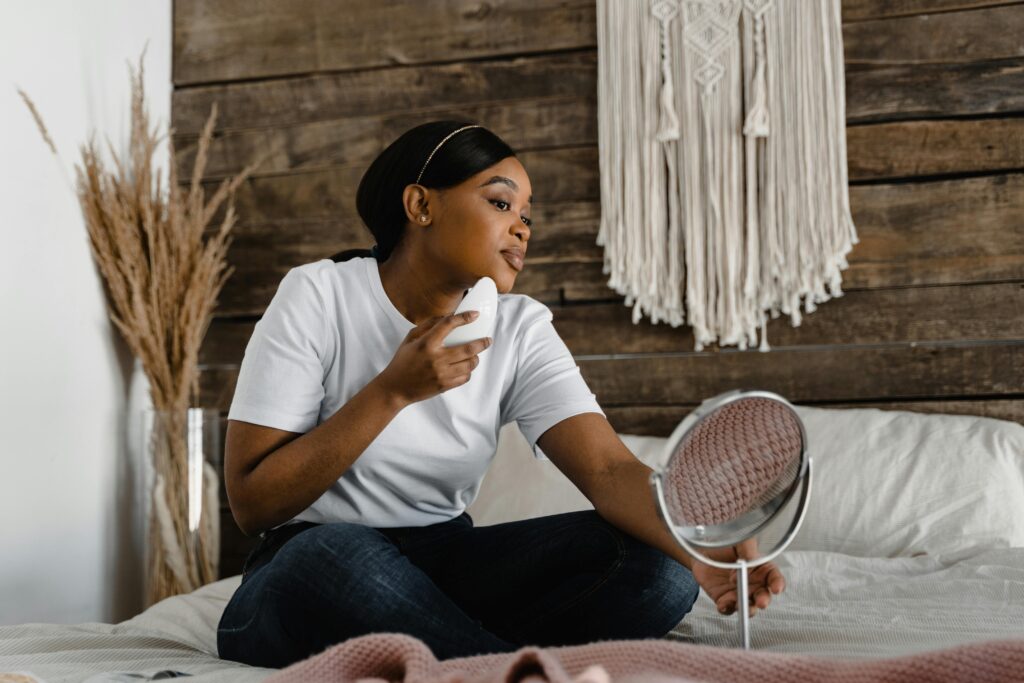
Several device categories have a strong track record for home use with consistent results over time:
- IPL hair removal: One of the most established home device categories, with a well-understood mechanism and widely available FDA-cleared options.
- LED and red light therapy: Low-risk, suitable for regular use, and most commonly applied to acne management and early anti-aging support.
- RF and microcurrent: Both support skin firmness and collagen over time through different mechanisms and are well-suited to regular maintenance routines.
- Non-ablative home lasers: Target surface texture, fine lines, and mild pigmentation with less downtime than clinical ablative options.
Each of these categories will be covered in much more depth in upcoming posts — including how each technology works, what results are realistic, and how to choose between options.
Where Clinics Still Have the Edge
An honest look at home beauty has to include where clinics genuinely win.
For more severe concerns — deep acne scarring, significant laxity, heavy pigmentation, or anything that requires ablative resurfacing — professional treatment is still the more effective route. Clinical machines operate at energy levels not available in home devices, and trained practitioners adjust protocols in ways a home user cannot replicate.
Speed is also a factor. When a specific deadline or event is driving the goal, an in-clinic course will typically deliver more visible change faster than a home routine can.
A well-designed at-home clinic is not an argument against professional care. It is about handling routine maintenance and gradual upkeep at home, and reserving clinic visits for the concerns that genuinely call for them.
How to Start Building Your Setup
Starting focused works better than buying multiple devices at once.
- Choose one or two main skin concerns. Hair removal, anti-aging, acne, or pigmentation — having a clear goal makes it much easier to choose the right device category.
- Match your concern to the right tool. Not all devices address all concerns. Upcoming guides in this series will cover exactly how to match.
- Set a realistic budget. Entry-level devices in most categories start under $200. Mid-range options between $300 and $500 generally offer more settings and better build quality.
- Commit to a consistent schedule. Most home devices require regular sessions over several weeks before meaningful results develop. Consistency matters more than intensity.
- Know when to bring in a professional. A consultation at the start of a new routine — or when a concern is not responding — is always a reasonable and worthwhile step.
Safety Before You Start
A few principles apply across all device categories:
- Verify FDA clearance before purchasing. Cleared devices have met a minimum standard for safety and efficacy in home use.
- Read the contraindication list for each device. Most home lasers and IPL tools are not appropriate during pregnancy, and many should not be used alongside active retinoids, AHAs, BHAs, or certain medications.
- Follow the recommended treatment intervals. Overusing a device does not speed up results and increases the risk of irritation or adverse effects.
- If there is any uncertainty around skin type compatibility, a specific skin condition, or a medication interaction, consult a dermatologist before starting.
Conclusion
An at-home beauty clinic is about building control over your routine, your time, and your spending. Clinics still matter — and knowing when to use them is part of using home devices wisely. But for consistent skin maintenance and gradual improvement over the long run, home devices make professional-style care far more accessible than a clinic schedule alone ever could.
The next post in this series takes a closer look at what “clinic-level results” actually means in a home context — and what the evidence says about how close home devices can get.

References
- American Society of Plastic Surgeons. “Laser Skin Resurfacing Cost.” plasticsurgery.org/cosmetic-procedures/laser-skin-resurfacing/cost
- Thervo. “How Much Does IPL Treatment Cost? (2026).” thervo.com/costs/ipl-treatment-cost
- LightRx. “RF Skin Tightening Cost: What You’ll Really Pay.” lightrx.com/blog/rf-skin-tightening-cost/
- Lumivisage. “How Much Does Red Light Therapy Cost?” lumivisage.com/blog/red-light-therapy-cost/
- MedSpa Find. “Laser Hair Removal Cost in the USA 2025.” medspafind.com/blog/laser-hair-removal-cost-in-the-usa-2025