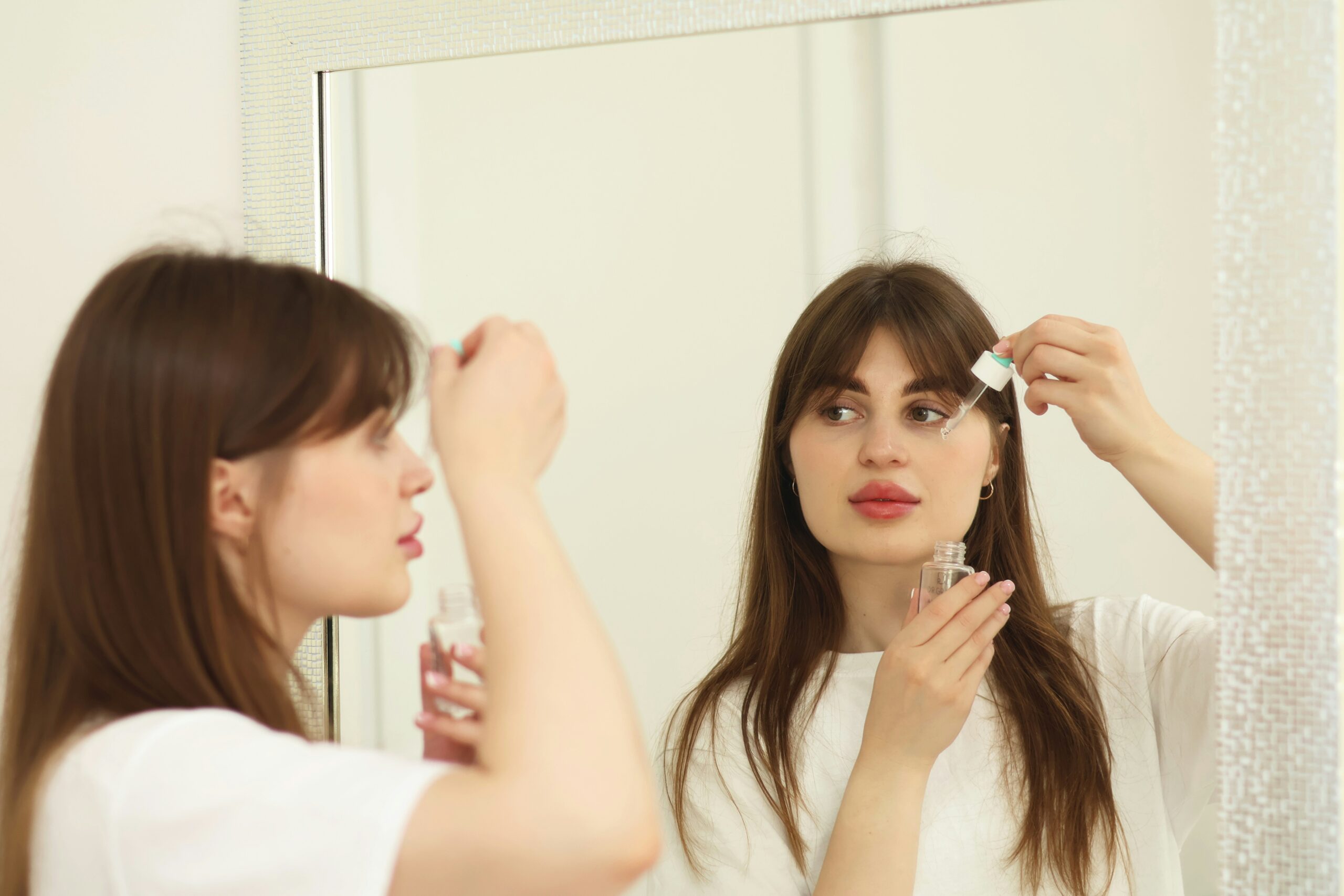
Enlarged pores are one of the most common skincare complaints, and also one of the most misunderstood. A lot of products promise to “shrink” or “close” pores, but that is not quite how skin works. Pore size is largely determined by genetics, skin type, and age, and no product or device can permanently change it.
What is genuinely possible is making pores appear significantly smaller by addressing the things that make them look enlarged in the first place: excess sebum, accumulated debris, lost skin elasticity, and UV-induced collagen breakdown. Done consistently, the right combination of devices, skincare, and habits makes a real, visible difference. Here is how to build that routine.
Why Pores Look Enlarged
Before choosing any product or device, it helps to understand what is actually causing the issue, because different causes call for different solutions.
The main reasons pores appear larger than they naturally are:
- Excess sebum production: oil stretches the pore opening and makes it more visible, particularly in the T-zone
- Accumulated debris: dead skin cells and sebum inside the pore create a plug that dilates the opening optically
- Loss of collagen and elastin: as skin ages and loses structural support, the tissue around pores becomes lax and they appear wider
- UV damage: chronic sun exposure destroys collagen and elastin in the dermis, causing pores to loosen and enlarge over time
Studies found that combination approaches — addressing both sebum control and skin rejuvenation — delivered the most consistent improvement, and that in younger patients sebum control should be the focus, while in older patients collagen rejuvenation becomes equally important.
Skincare Ingredients That Work
- Niacinamide (5%): reduces sebum production, boosts collagen synthesis, and normalizes cell turnover inside pores. Studies show measurable pore size reduction after 8–12 weeks of consistent use.
- Retinoids (retinol, tretinoin, adapalene): increase cell turnover and stimulate collagen — one of the most evidence-backed ingredients for pore minimization. Retinoids prevent pores from clogging and reduce acne-related damage.
- Salicylic acid / BHA (2%): the only common exfoliant that penetrates into the pore lining to dissolve sebum and debris from inside. Most targeted option for congestion-driven pore enlargement.
- AHAs (glycolic, lactic acid): work on the skin surface to clear dead skin cells that make pores look larger. Best used alongside BHA rather than as a replacement.
- Daily SPF: UV damage destroys the collagen surrounding pores, causing them to widen over time. Sunscreen is a structural maintenance step, not just sun protection.
At-Home Devices That Help
| Device | How it helps pores | Best for |
|---|---|---|
| RF (radiofrequency) | Stimulates collagen production and reduces sebum output through thermal energy in the dermis — a dual mechanism confirmed in published research | Pores caused by elasticity loss and excess oil |
| Non-ablative laser | Triggers collagen remodeling and resurfaces skin texture | Pores linked to photoaging and textural irregularity |
| Microcurrent | Supports overall skin firmness and tightens appearance of skin around pores over time | General skin tone and firmness maintenance |
| Pore vacuum / suction tools | Physically removes congestion, blackheads, and debris from pore openings | Short-term maintenance |
Lifestyle Habits That Make a Difference
- Daily sun protection: the single most important habit for preventing pore enlargement from worsening over time
- Do not over-cleanse: stripping the skin of oil triggers compensatory sebum overproduction, making pore congestion worse
- Keep hands off the face: touching transfers oil and bacteria into pores throughout the day
- Diet: excess sugar and high-glycemic foods have been linked to increased sebum production in some individuals
What Not to Do
- Ice on pores: temporarily contracts the skin surface but does not affect pore structure in any lasting way
- Pore strips: remove surface blackheads but can damage the pore lining with repeated use — occasional use is fine, but not a regular strategy
- Over-exfoliating: disrupts the skin barrier, triggers inflammation, and can worsen the oiliness that makes pores look larger
Conclusion
No single product or device eliminates pores, but a consistent, well-matched routine reliably reduces how visible they appear. The most effective approach combines sebum control (BHA, niacinamide, gentle cleansing), structural support (retinoids, RF, non-ablative laser), and UV protection. Identify your primary cause — excess oil, congestion, elasticity loss, or sun damage — and build your routine around that first.
Sources:
- Alsaad SM et al. “The efficacy and adverse effects of treatment options for facial pores: a review article.” Journal of Cosmetic Dermatology, 2022. onlinelibrary.wiley.com/doi/10.1111/jocd.15502
- Suh DH et al. “Can a radiofrequency device reduce the pore size?” Lasers in Medical Science, 2022. pubmed.ncbi.nlm.nih.gov/34250567/
- American Academy of Dermatology. “Retinoid or Retinol?” aad.org/public/everyday-care/skin-care-secrets/anti-aging/retinoid-retinol
- Stanford Medicine. “Does Retinol Deserve the Hype? A Stanford Dermatologist Weighs In.” med.stanford.edu/news/insights/2020/08/does-retinol-deserve-the-hype-a-stanford-dermatologist-weighs-in.html
- Milbar Labs. “Salicylic Acid (BHA) in Skincare: Safety and Efficacy.” milbarlabs.com/skincare-ingredient/salicylic-acid-bha-in-skincare-safety-and-efficacy/
