
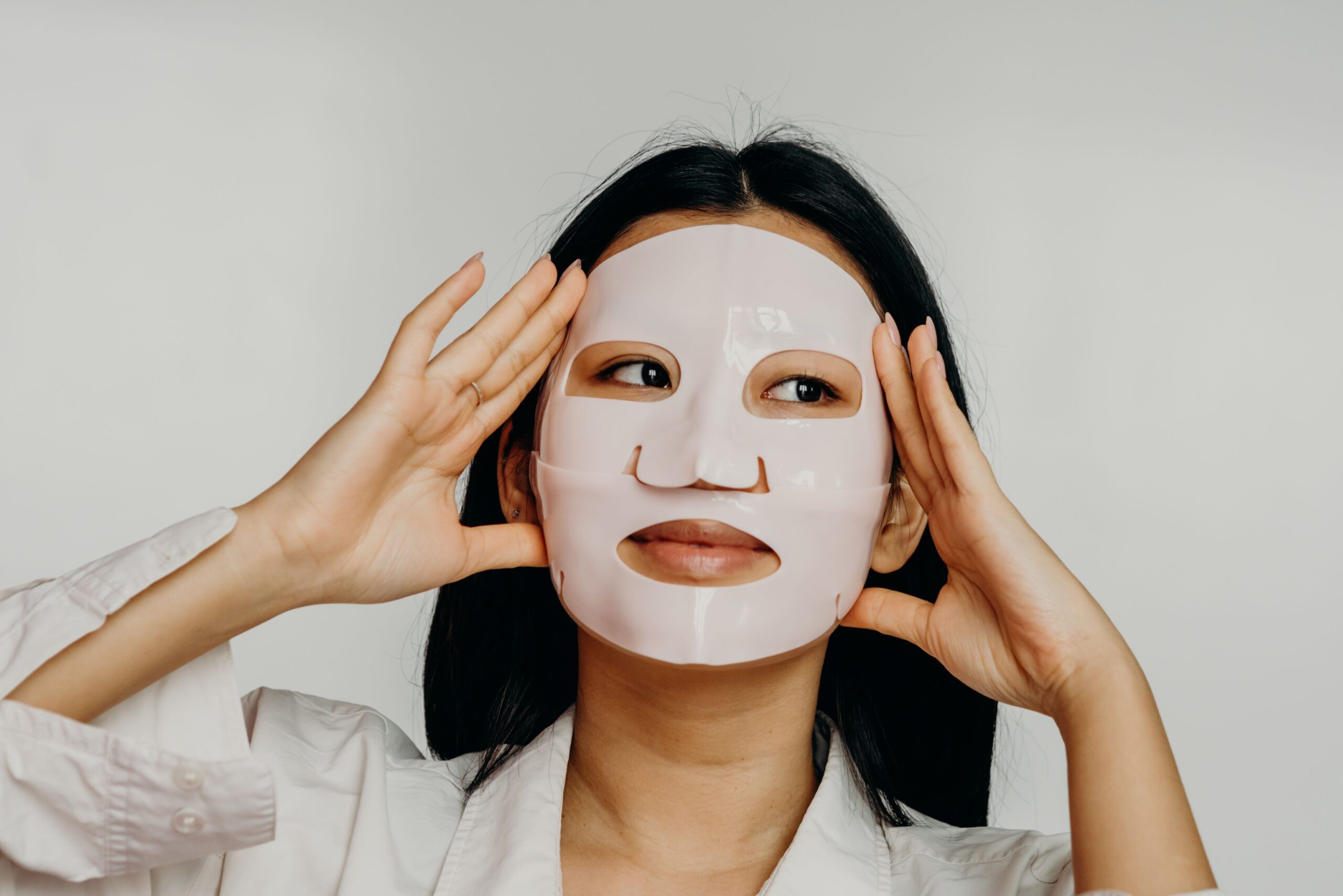
If your skin feels tight after cleansing, reacts to products it used to tolerate, and looks dull no matter how much you moisturize, your skin barrier is likely compromised. And while reaching for a face mask feels like a reasonable response, most masks are not designed to fix this. Some will make it actively worse.
Barrier repair is a specific biological task, and it requires specific ingredients to do it. Here is what to look for, what to avoid, and how to use the right mask to support real recovery.
What a Compromised Barrier Needs
Think of your skin barrier like a brick wall. The skin cells are the bricks, and the lipids — ceramides, cholesterol, and fatty acids — are the mortar holding everything together. When that mortar breaks down, moisture escapes and irritants get in. That is what a compromised barrier feels like from the inside: tight, reactive, easily upset.
Barrier repair needs three things:
- Replenishing those lipids to rebuild the structure
- Calming the inflammation that comes with a damaged barrier
- Protecting skin from further irritation while it recovers
A hydrating mask relieves tightness temporarily by adding water. A barrier repair mask addresses the actual problem by rebuilding the structure underneath.
The Ingredients That Repair the Barrier
Ceramides are the most important ingredient to look for. They are the primary lipids that make up that “mortar” layer, and clinical studies confirm that topical ceramide formulas measurably reduce moisture loss and restore hydration within weeks of consistent use. One thing to note: look for a blend of ceramide types (NP, AP, EOP) rather than just one. Healthy skin contains over ten different ceramide subtypes, and a single type alone will not replicate that complexity.
Ceramides work best in combination with cholesterol and fatty acids. Research shows that applying ceramides in isolation can actually slow barrier recovery rather than help it. Only when all three lipid components are present together does the barrier truly rebuild. This is why well-formulated barrier repair products list all three, not just ceramides.
Centella asiatica (often labelled as cica, madecassoside, or asiaticoside) is the calming ingredient that works alongside ceramides. The bioactive compounds in this plant reduce inflammation, support wound healing, and help the skin cells responsible for barrier structure regenerate more effectively.
Beta-glucan is worth looking for if you have particularly reactive or sensitized skin. Derived from oat or yeast, it calms inflammation at the surface level and helps your skin recover faster. A double-blinded study found that skincare containing beta-glucan significantly accelerated barrier recovery after laser treatment, which makes it a smart ingredient for post-device care as well.
Panthenol (listed as panthenol or dexpanthenol on packaging) is pro-vitamin B5. It converts to an active form inside the skin that supports the repair process, boosts hydration, and reduces irritation. Studies show it performs as well as a low-strength hydrocortisone cream for calming reactive skin, without the drawbacks of a corticosteroid.
Which Mask Format Works Best for a Damaged Barrier
| Format | Contact Time | Best for |
|---|---|---|
| Overnight/sleeping mask | 6-8 hours | Active barrier repair; reactive, sensitized skin |
| Hydrogel mask | 20–30 min | Concentrated delivery of ceramide and cica formulas |
| Cream mask (wash-off) | 15–20 min | Calming and general repair; good for weekly use |
| Sheet mask | 15–20 min | Hydration maintenance — not deep repair |
Overnight masks are the most effective format for barrier repair. The extended wear time significantly reduces overnight moisture loss and gives repair ingredients maximum contact with the skin. If your barrier is noticeably compromised, this is the format to start with.
Hydrogel masks are a practical middle ground: longer contact than sheet masks without the risk of the mask drying on skin and pulling moisture back out. They suit concentrated ceramide and cica formulas well.
Sheet masks are not the right tool for active barrier repair. The contact time is short, many formulas contain sensitive ingredients, and some sheet mask materials can cause reactions on severely compromised skin. Use them for maintenance once the barrier has stabilized.
What to Avoid When Your Barrier Is Compromised
This is just as important as knowing what to reach for. When the barrier is damaged, the skin’s natural defence against irritants is weakened, which means ingredients that would be fine on healthy skin can cause real problems.
- Avoid masks that contain fragrance or essential oils, even ones marketed as calming or natural. These are among the most common contact sensitizers and are frequently hidden in botanical formulas.
- Clay and charcoal masks are also the wrong choice here as they are designed to draw oil out of resilient skin, and on a compromised barrier they strip the protective lipids that are already in short supply.
- The same applies to any mask with AHA or BHA exfoliants. Exfoliation requires a stable barrier to tolerate it, and applying acids during a repair phase extends the damage.
How to Use a Barrier Repair Mask in Your Routine
Use a barrier repair mask 2 to 3 times per week during active repair, then drop to once or twice per week for maintenance once reactivity has settled.
Apply in the evening after gentle cleansing. On mask nights, keep the rest of the routine minimal: cleanser, mask, nothing else. Avoid layering actives on the same night.
If you use a home device like an LED device or microcurrent tool, apply the mask after your session, not before. Device use requires clean, bare skin, and a post-session barrier mask supports recovery by addressing the mild inflammatory response that follows.
If your barrier is significantly compromised, temporarily pause retinoids, AHAs, and high-concentration vitamin C until the reactive phase settles, usually around one to two weeks of consistent barrier-focused care. Then reintroduce actives gradually, starting at lowest frequency.
Signs It’s Working
Most people notice real changes within one to two weeks of consistent use. Skin feels less tight after cleansing. Redness and sensitivity reduce, particularly in response to temperature changes. Products that previously stung begin to feel normal again. And actives like retinoids and vitamin C, which a compromised barrier struggles to tolerate, start to behave the way they are supposed to.
That last signal is often the most useful one: when your routine stops fighting your skin, your barrier is recovering.
The Bottom Line
When the skin barrier is damaged, reaching for the wrong mask can extend recovery time or make reactivity worse.
The right formula: ceramides with cholesterol and fatty acids, Centella asiatica, panthenol, beta-glucan, in an overnight or hydrogel format, free of fragrance and exfoliants. That combination gives the barrier what it needs to structurally rebuild rather than simply feel temporarily better.
Sources:
- “Ceramide-Containing Adjunctive Skin Care for Skin Barrier Restoration.” Journal of Drugs in Dermatology, 2023. pubmed.ncbi.nlm.nih.gov/37276158/
- “Skin hydration is significantly increased by a cream formulated to restore the skin barrier.” Dermatology and Therapy, 2018. pmc.ncbi.nlm.nih.gov/articles/PMC6197824/
- “Administration of skin care regimens containing β-glucan for skin recovery after fractional laser therapy.” Journal of Cosmetic Dermatology, 2021. pubmed.ncbi.nlm.nih.gov/33128496/
- “Use of Dexpanthenol for Atopic Dermatitis.” Dermatology and Therapy, 2022. pmc.ncbi.nlm.nih.gov/articles/PMC9322723/
- Topical Application of Centella asiatica in Wound Healing, PMC review, 2024. pmc.ncbi.nlm.nih.gov/articles/PMC11510310/
Leave a Reply