
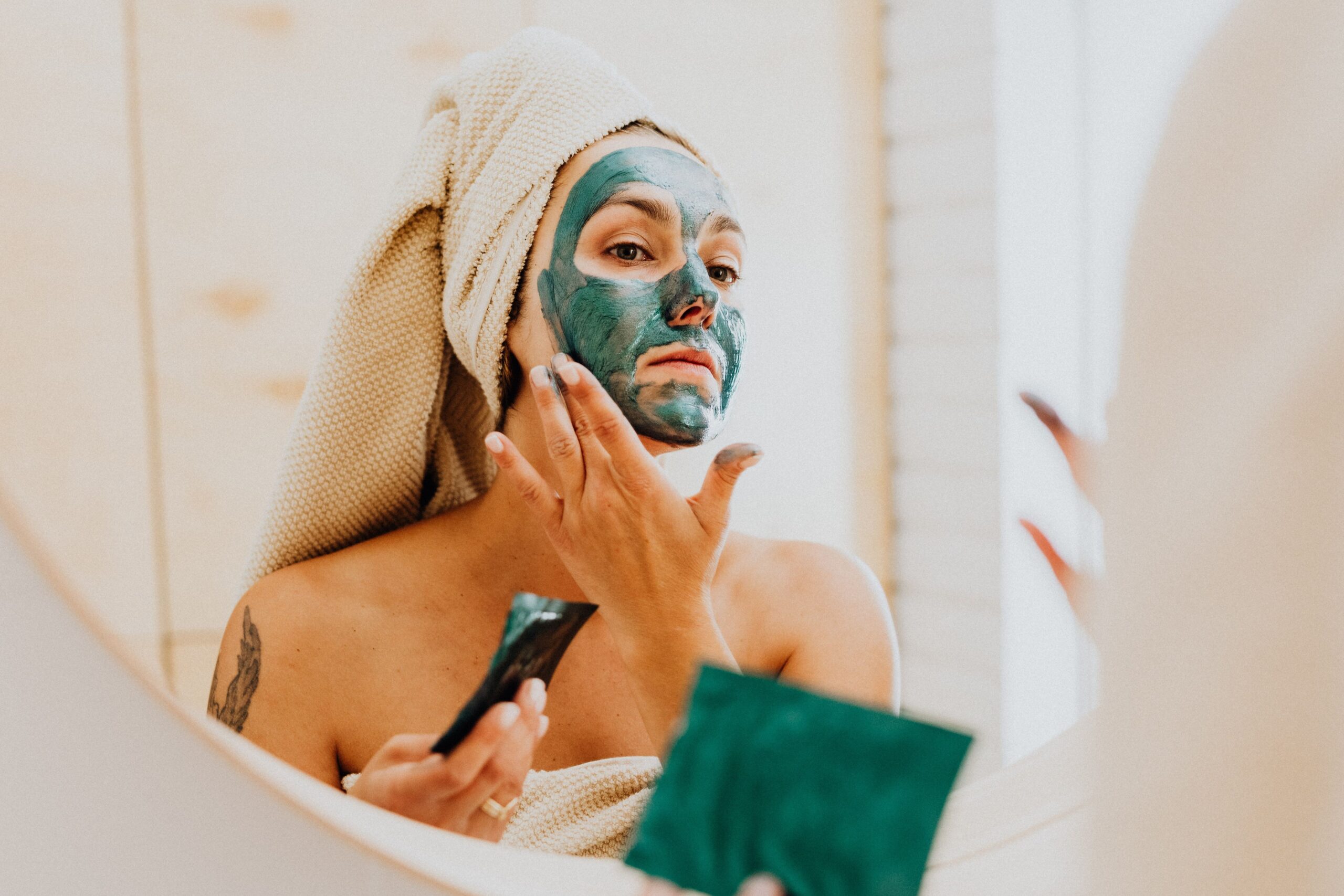
Two face masks can both promise brighter, healthier-looking skin yet work in very different ways. A sheet mask rich in glycerin and hyaluronic acid replenishes moisture, while a rinse-off formula containing glycolic acid targets rough surface texture. Both leave the skin looking fresher, but they address different underlying concerns.
Choosing the right face mask ingredients starts with identifying your concern. If your skin feels tight or looks dehydrated, start with hydrating ingredients. For excess shine, consider clay-based formulas. When uneven texture makes your complexion look dull, an exfoliating face mask may be a better match.
The ingredient list offers useful clues, but it shouldn’t be the only thing you consider. The overall formulation, product claims, and application instructions all help determine what a mask is designed to do. Here’s what to look for when comparing face masks for different skin concerns.
Hydrating Face Mask Ingredients: Glycerin and Hyaluronic Acid
When skin feels tight, rough, or less supple than usual, a hydrating face mask is often the most suitable choice. Look for humectants, ingredients that attract and help retain water in the skin’s outermost layer.
Two particularly common examples are glycerin and hyaluronic acid. You may also find hyaluronic acid listed as sodium hyaluronate, a salt form commonly used in skincare formulations.
Both ingredients support skin hydration, although their properties differ slightly. Glycerin is a well-established humectant that helps retain moisture in the stratum corneum, the skin’s outermost layer. Hyaluronic acid can bind substantial amounts of water, helping the skin look plumper and more hydrated. Both are widely used in moisturizers and hydrating treatments, as discussed in this review of skin barrier physiology and moisturizing ingredients.
The mask type also shapes the experience. A sheet mask holds its essence against the skin throughout application, while a rinse-off cream mask delivers its ingredients before you wash it off. Some sheet masks also leave behind serum that can be gently spread over the face after removal.
If your skin is frequently dry, tight, or easily irritated, hydration also needs to be part of a broader skincare approach. Our previous post on barrier repair face masks explores ingredients and formulations suited to skin that needs extra comfort and moisture.
Clay Masks for Oily Skin: What Kaolin and Bentonite Do
For skin that develops noticeable shine throughout the day, a clay mask offers a different kind of benefit. Rather than adding moisture, clay-based formulas help absorb excess oil from the skin’s surface, leaving the complexion looking less shiny.
Two common ingredients to know are kaolin and bentonite. Both are naturally occurring clays used in cosmetics for their ability to absorb excess oil. They are especially common in rinse-off masks marketed for oily and combination skin.
Although they have a similar purpose, the two clays have different mineral compositions and physical properties. Take a look at the rest of the ingredient list. Some formulas pair kaolin and bentonite with moisturizing ingredients like glycerin or panthenol. Others include additional cleansing or exfoliating components. These combinations create different product experiences, even when the packaging highlights the same oil-control benefits.
A 4-week clinical study of a kaolin- and bentonite-containing clay mask offers a useful example. The formula also contained panthenol, thermal spring water, and other ingredients. Among 75 adults with oily or combination skin, researchers observed improvements in measured sebum levels and several other skin parameters following twice-weekly use.
A clay mask can reduce the shiny appearance of the forehead, nose, and chin, but a less oily finish doesn’t solve blackheads, clogged pores, or acne-related issues. If breakouts are also your main concern, consider whether the formula contains ingredients specifically suited to your needs.
Face Masks for Dull Skin: Hydrating or Exfoliating?

Dullness is a broad term that can describe several different changes in the skin’s appearance. Sometimes the complexion looks tired because the skin lacks moisture and suppleness. In other cases, rough texture and an uneven surface make light reflect less evenly, leaving the face looking less radiant.
These concerns call for different ingredients. Choose a hydrating mask if dryness is the main issue, and an exfoliating face mask if you want to address rough surface texture.
If You Want a More Hydrated, Supple Appearance
If your skin feels comfortable but looks a little flat or dehydrated, a moisturizing mask may be all you need. Look for humectants such as glycerin and hyaluronic acid, like we’ve covered above.
Some formulas also include emollients, which soften the skin and help improve its surface feel. Ingredients such as squalane and certain plant-derived oils can complement humectants by reducing moisture loss and leaving the skin feeling smoother.
When dryness is the main contributor to a dull look, replenishing moisture can make a noticeable difference without needing an exfoliating product.
If You Want to Smooth Rough Texture
If your complexion looks dull because of uneven or rough surface texture, an exfoliating face mask may be more appropriate.
Look for alpha hydroxy acids (AHAs), particularly glycolic acid and lactic acid. These ingredients help loosen the bonds between dead surface skin cells, encouraging their shedding and revealing a smoother-looking surface.
The two acids are commonly used in exfoliating skincare, although their properties differ. Glycolic acid has a smaller molecular size, while lactic acid is often used in formulations designed to provide a gentler exfoliating experience. Both are used in products designed to improve skin texture and tone.
However, acid concentration, formula pH, and other ingredients also influence their activity. The FDA’s overview of alpha hydroxy acids explains how these formulation factors affect their exfoliating effects.
Product directions are particularly important for an AHA mask. A rinse-off mask designed to stay on the skin for several minutes works differently than a leave-on exfoliating serum. Carefully check the recommended application time and frequency.
AHAs can also increase the skin’s sensitivity to sunlight. Use sunscreen, protective clothing, and limit sun exposure while using AHA-containing products. This is especially important when adding an exfoliating face mask to an existing routine.
How to Compare Two Face Masks With the Same Claim
Product labels often use broad terms such as “glow,” “brightening,” or “purifying.” While these descriptions communicate the intended experience, they don’t always tell you which skin concern the formula actually addresses.
Consider two products both marketed as “glow” masks. One is a hydrating sheet mask containing glycerin and sodium hyaluronate. The other is a rinse-off exfoliating mask featuring glycolic acid. Despite their similar marketing claims, their ingredients and intended benefits differ.
| What to compare | Hydrating sheet mask | Exfoliating rinse-off mask |
|---|---|---|
| Ingredient clues | Glycerin and sodium hyaluronate indicate a focus on hydration. | Glycolic acid, alongside an exfoliating claim, indicates a focus on surface smoothing. |
| Main purpose | Improve moisture levels and leave skin feeling softer and more supple. | Smooth rough texture and improve dullness. |
| Best suited to | Skin that looks dehydrated or lacks suppleness. | Skin that feels rough or looks uneven in texture. |
If dehydration makes your complexion look tired, the sheet mask is the better choice. If roughness is your main concern, the exfoliating formula is a better fit.
Ultimately, the best face mask isn’t the one with the most appealing marketing claim. Look for ingredients that address your main skin concern, then consider how the full formula and directions fit your skincare routine. Once you understand how different ingredients target in a face mask, comparing products becomes much easier.
Q&As
1. How often should I use a face mask?
It depends on your mask’s formula and purpose. Gentle hydrating masks are generally suitable for more frequent use, while exfoliating or deep-cleansing masks are better used less often. Check the product’s directions.
2. Can I use more than one type of face mask in the same routine?
Yes. Multi-masking involves applying different masks to different areas of the face based on their needs. For example, you might use a clay mask on an oilier T-zone and a hydrating mask on drier cheeks. But avoid combining multiple intensive treatments if your skin tends to irritate.
3. Should I apply moisturizer after using a face mask?
In most cases, yes. After removing a rinse-off mask, continue with your usual skincare routine, including moisturizer. For sheet masks, gently pat in any remaining essence, then apply moisturizer as needed to help maintain hydration.
4. How can I tell if a face mask is irritating my skin?
Persistent stinging, burning, redness, itching, or tightness can indicate irritation. If you notice these symptoms, remove the mask. If irritation continues, discontinue use and consider consulting a dermatologist.
Leave a Reply