
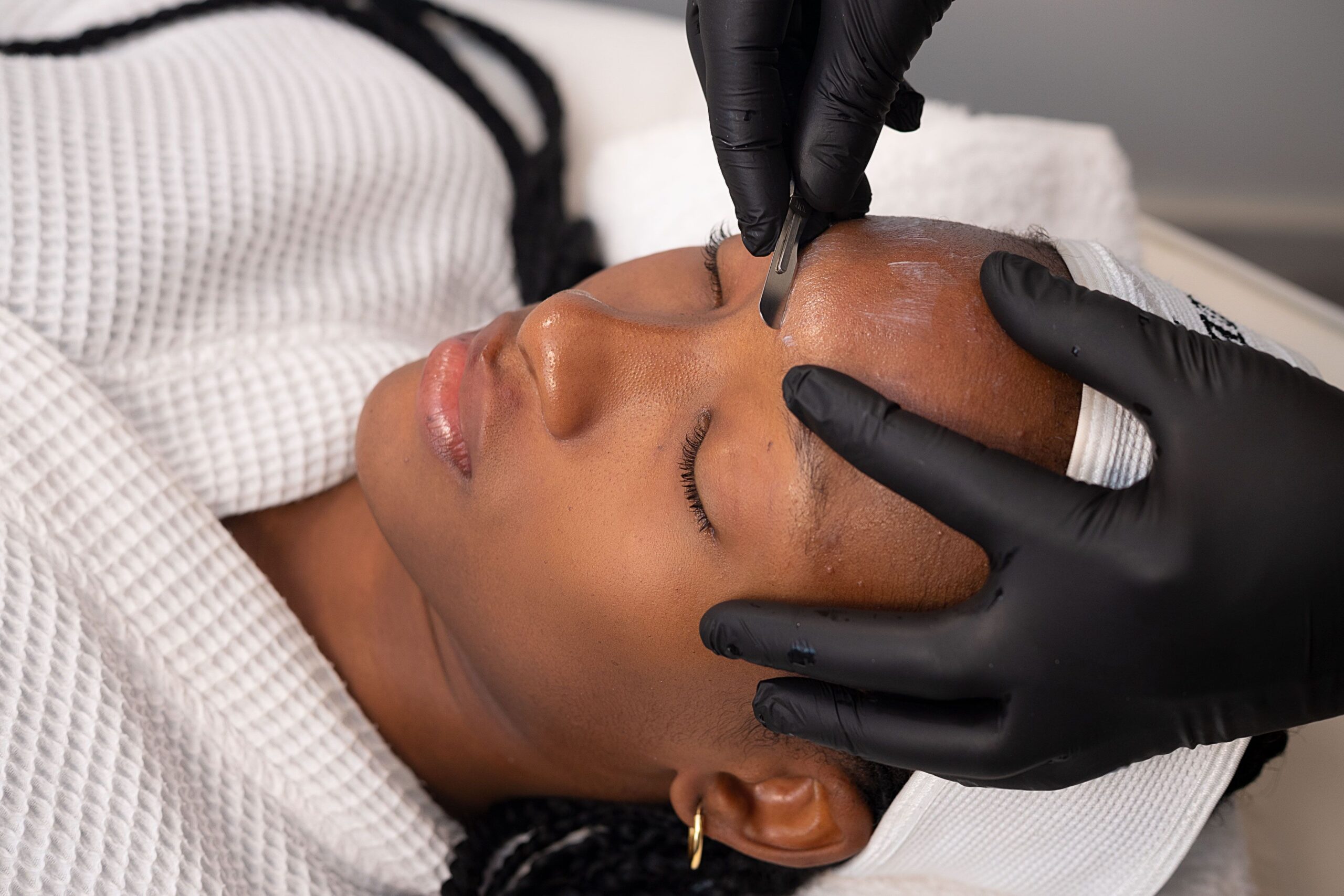
Dermaplaning is generally low-risk, but home blades are duller than the ones professionals use. That means more pressure, more room for error, and a higher chance of nicks or irritation than most people expect walking in. Understanding the mechanics behind that tradeoff, and where the actual risks come from, makes it much easier to do this safely at home.
What Dermaplaning Really Does
Dermaplaning uses a blade to remove vellus hair, the fine “peach fuzz” on your face, along with the outermost layer of dead skin cells. The result is often an instantly smoother, brighter-looking complexion, since makeup applies more evenly and light reflects differently off smoother skin.
It’s worth knowing what this treatment doesn’t do. It has no meaningful effect on acne, deep texture like enlarged pores or scarring, or pigmentation on its own. The smoother look comes from surface-level exfoliation and hair removal, not a structural change to your skin. Some people combine dermaplaning with other treatments, like a chemical peel, to address deeper concerns, but that combination is typically done professionally rather than at home, since layering treatments increases the risk of over-exfoliation.
Results also tend to be temporary. Dead skin regenerates and fine hair regrows on its normal cycle, so the smoother texture usually lasts somewhere between two and four weeks before it starts to fade, which is part of why frequency matters so much.
Home Tools vs. Professional Blades
Why Home Blades Require More Pressure
Professional dermaplaning tools use a surgical-grade blade that’s sharper and more precise than what’s sold for home use. Because home blades are duller, they require more pressure to work, and that added pressure is exactly what raises the risk of small nicks, cuts, and irritation. This is the central tradeoff of doing dermaplaning yourself: convenience and cost savings, in exchange for a device that’s inherently less forgiving of technique mistakes.
The Rise of Sonic-Edge Tools
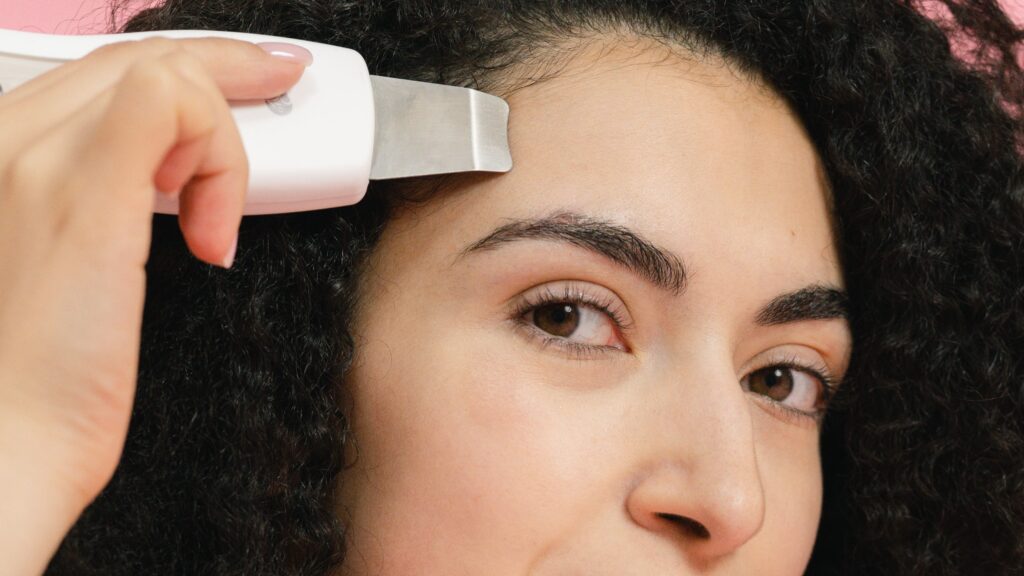
Tools have shifted meaningfully since dermaplaning first went viral. A 2026 tested roundup from Women’s Health Magazine found that sonic-edge devices, which vibrate the blade at high frequency, now dominate the top picks, with reviewers and a dermatologist both favoring this style over basic single-blade razors. The vibration reduces how much manual pressure you need to apply, which can make the whole process meaningfully safer for home use.
This shift reflects real, sustained demand rather than a passing trend. The global market for dermaplaning tools was valued at $750.4 million in 2026 and is projected to grow to $1.28 billion by 2033.
Choosing a Tool
If you’re picking a device, a few features matter more than price. Look for a guard or protective edge around the blade, which limits how much pressure reaches the skin directly. Replaceable blade heads are worth prioritizing too, since a dulling blade defeats the purpose and pushes you toward using more pressure over time. Sonic or vibrating models cost more upfront but tend to require a gentler hand, which matters most for anyone newer to the technique.
Safe Technique, Step by Step
A few basics make the biggest difference in outcome:
- Start with clean, dry skin and a clean tool.
- Hold your skin taut with your free hand to create a flat surface.
- Use short, light strokes at a shallow angle, close to 30 degrees, rather than pressing straight down.
- Move in the direction hair grows, not against it.
- Avoid any area with active breakouts, cuts, or irritation entirely.
Working in small sections rather than long sweeping strokes gives you more control and makes it easier to stop immediately if something feels off.
What Can Go Wrong
Beyond the obvious risk of nicks, a few other issues come up regularly:
- Breakouts, since dragging a blade across the face can spread bacteria into open pores
- Infection, if the tool isn’t properly sterilized or aftercare steps are skipped
- Scarring, including keloid or hypertrophic scars in rare cases
- Hyperpigmentation, more of a concern for darker skin tones or skin already prone to pigment changes
- Increased sun sensitivity for several days afterward, since the outer skin layer has been removed
Most of these risks trace back to the same root causes: too much pressure, a dull or dirty blade, or skipping aftercare. Addressing those three things directly lowers your risk more than any other single change.
Who Should Skip It
Dermaplaning isn’t a good fit for everyone. It’s best to skip it entirely if you have:
- Active acne or cystic breakouts
- A rosacea, eczema, or psoriasis flare. Reactive, flare-prone skin generally does better avoiding physical exfoliation altogether, which is covered in more depth in our post about building a routine that doesn’t trigger flare-ups
- A recent sunburn or any open wound
- Isotretinoin use within the past six months
- A retinoid routine you haven’t paused; most sources recommend stopping retinoids 3 to 5 days before and 2 to 3 days after treatment
Frequency and Aftercare
Monthly is the general upper limit for dermaplaning, not a weekly step. Skin needs that time to fully recover between sessions, and going more often raises irritation risk without adding real benefit.
Standard aftercare across dermatology sources includes skipping makeup for 24 hours, avoiding physical scrubs for 2 to 3 days, and wearing sunscreen diligently in the days after, since skin is more sun-sensitive right after treatment. A gentle, fragrance-free moisturizer afterward also helps support the barrier while it recovers from the added exfoliation.
The Takeaway
Dermaplaning can be a genuinely useful step for the right skin type, but success depends more on technique and timing around other treatments than on which tool you buy. Going slowly, keeping sessions infrequent, and skipping it entirely during a flare-up will do more for your results than any specific device on the market.
FAQ
Does dermaplaning make hair grow back thicker?
No. This is a common misconception. Vellus hair grows back at the same fine texture and rate it always did; cutting it with a blade doesn’t change its thickness or growth pattern.
Can I dermaplane if I use retinol?
You can, but not on the same days. Pause retinol for a few days before and after treatment to reduce the chance of irritation, since both retinol and dermaplaning affect the skin’s outer layer.
Is dermaplaning worth it if I can get it done professionally instead?
Professional treatment uses a sharper blade and carries lower technique risk, which makes it a reasonable choice for sensitive or acne-prone skin. At-home dermaplaning can still work well for straightforward maintenance between visits, as long as you’re using a quality tool and following safe technique.
How long does it take to see results?
Results are typically visible right after your first session, since the effect is largely about removing dead skin and fine hair rather than triggering longer-term change. The smoother look usually holds for two to four weeks before fading back to normal.
Sources
- “Dermaplaning”, 2023, Cleveland Clinic
- “Are there any side effects of dermaplaning”, 2025, White Pebble Dermatology
- “Is Shaving Your Face the Secret to Glowing Skin?”, 2024, Vogue
- “Dermaplaning Regret: Dos, Don’ts, and Horror Stories”, 2021, Healthline
- “Dermaplaning Tools Market Size Report, 2026-2033”, 2024, Grand View Research
Leave a Reply