
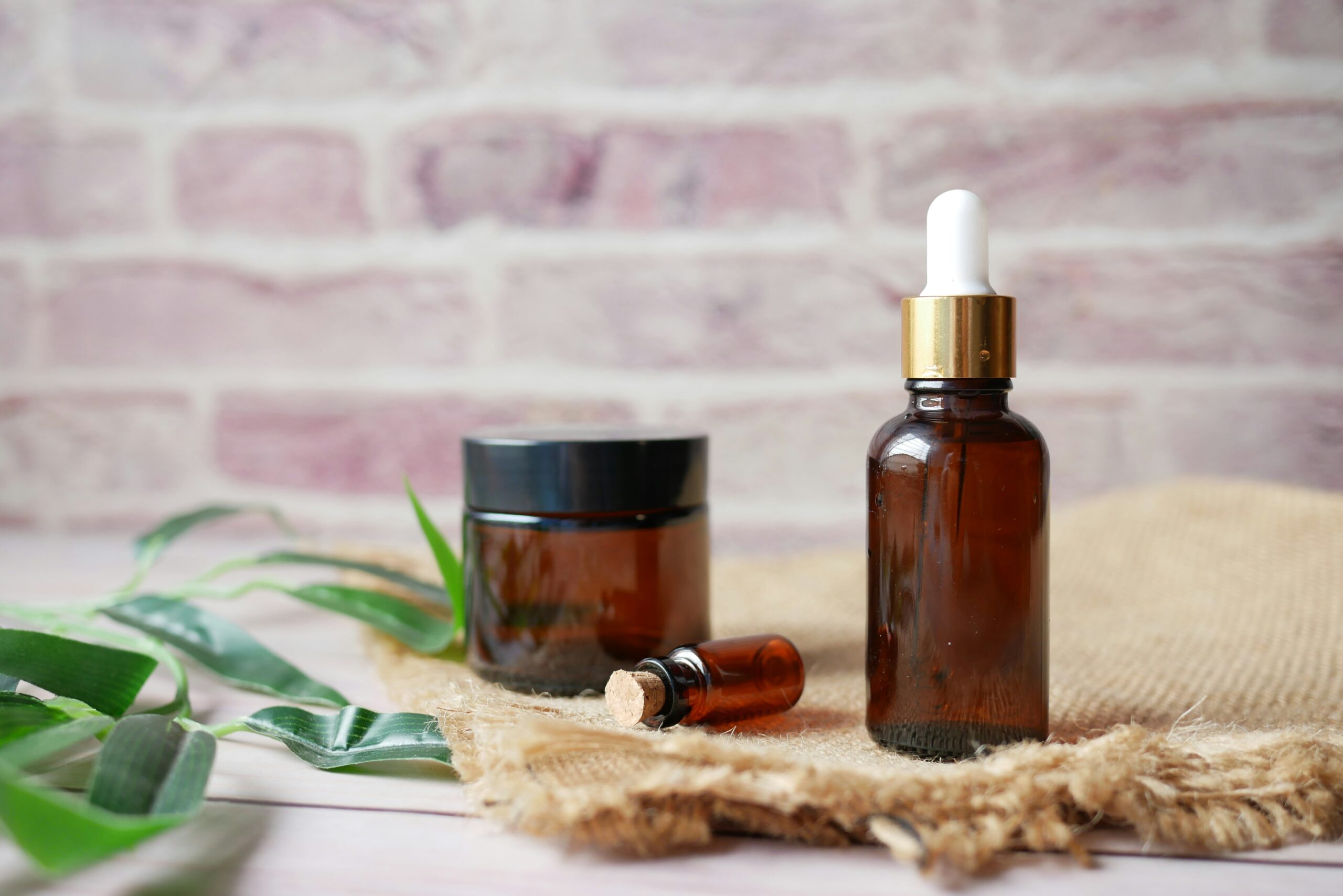
Not every irritating ingredient in your skincare comes labeled as a warning. Fragrance, certain alcohols, and essential oils are some of the most common triggers behind stinging, redness, and breakouts, and they’re often sitting in products marketed as calming, natural, or gentle. If your skin barrier feels compromised or you’ve been dealing with unexplained sensitivity, one of these three culprits is a likely place to start looking.
Fragrance: The Most Common Skincare Irritant
Fragrance is the single most frequent cause of cosmetic contact dermatitis, and it hides in far more products than people expect. A single ingredient listed simply as “fragrance” or “parfum” can actually contain anywhere from 50 to 300 individual chemical components, and companies aren’t required to disclose most of them under trade secret protections.
Regulators have identified specific fragrance chemicals that cause the most reactions. The European Union requires disclosure of 26 known fragrance allergens once they exceed a certain concentration, including linalool (found in lavender and bergamot), limonene (from citrus), geraniol (rose and geranium), and eugenol (a clove-like scent). Research analyzing deodorants across five European countries found eugenol and geraniol to be among the most frequently detected fragrance ingredients overall.
Here’s a quick way to evaluate labels:
| Label Term | What It Means |
|---|---|
| Fragrance-free | No fragrance ingredients added, including masking scents |
| Unscented | May still contain fragrance chemicals used to cancel out other odors |
| “Natural fragrance” | Still fragrance, often from essential oils, and not automatically gentler |
Alcohol: Not All Alcohols Are Created Equal
“Alcohol” gets an unfairly broad reputation, because the term covers two very different groups of ingredients. Drying alcohols like alcohol denat, SD alcohol, and isopropyl alcohol evaporate quickly and can strip the skin’s natural oils, which is why they show up often in toners and long-wear makeup products meant to feel matte. Used frequently or in high concentrations, they can weaken the skin barrier and leave skin feeling tight or dehydrated.
Fatty alcohols are a different story entirely. Cetyl alcohol, cetearyl alcohol, and stearyl alcohol are actually derived from fats and function as emollients, helping moisturizers feel smoother rather than drying skin out. If you see “alcohol” on an ingredient list, it’s worth checking which type it actually is before assuming it’s harmful.
As a general rule, alcohol appearing high on an ingredient list (meaning a higher concentration) is more likely to cause dryness than alcohol appearing near the bottom.
Essential Oils: “Natural” Doesn’t Mean Non-Irritating
Essential oils are frequently marketed as the gentle, clean alternative to synthetic ingredients, but dermatology research tells a different story. Natural essential oils often contain the very same allergenic compounds found in synthetic fragrance, sometimes in even higher concentrations.
A study analyzing patch test results from over 10,000 dermatology patients found that 8.3% reacted to at least one essential oil, with ylang ylang, lemongrass, jasmine, sandalwood, clove, and neroli oils causing the most frequent reactions. Separately, tea tree oil has been identified as a particularly important sensitizer in North America, one that doesn’t always show up on standard fragrance allergy tests, meaning some people may be reacting to it without realizing it’s the cause.
Lavender oil deserves a specific mention too. A study of patients with confirmed essential oil allergies found lavender was the most common oil involved, and interestingly, lavender oil becomes more likely to cause a reaction once it’s been exposed to air and starts to oxidize. That means an older bottle of lavender oil sitting in your bathroom cabinet may be more irritating than a fresh one.
Why “Natural” Products Aren’t Automatically Safer
It’s a common assumption that natural ingredients are inherently gentler than synthetic ones, but that’s not how skin chemistry works. Nearly 40 percent of patients in one study using essential oils in their skincare routines didn’t even think to mention it to their dermatologist, and only a third had ever received guidance on how to use these oils safely. Concentration, frequency of use, and individual skin sensitivity matter far more than whether an ingredient came from a plant or a lab.
This connects directly to skin barrier health. Repeated exposure to irritating fragrance, drying alcohol, or reactive essential oils can wear down the same lipid layer we covered in our guide to signs your skin barrier is damaged, making skin more reactive over time even to products that never used to bother it.
How to Spot These Ingredients on a Label
These habits make label-reading much faster:
- Look for “fragrance,” “parfum,” or “aroma” anywhere on the ingredient list, even near the bottom
- Check whether “alcohol” appears alone (likely drying) or as a compound word like “cetyl alcohol” (likely moisturizing)
- Search for essential oil names directly, such as lavandula angustifolia (lavender) or melaleuca alternifolia (tea tree)
- If a product markets itself as “natural” or “clean,” don’t assume that means fragrance-free or free of essential oils
What to Do If You Suspect an Irritant
If your skin has been reacting without an obvious cause, try removing all fragranced and essential oil-containing products for two to four weeks and watch for improvement. If symptoms calm down significantly, reintroduce products one at a time to identify the actual trigger. For a confirmed diagnosis, a dermatologist can perform a patch test, which remains the most reliable way to pinpoint a specific allergen rather than guessing.
FAQ
Is fragrance-free skincare always better for sensitive skin?
For most people with sensitive or reactive skin, yes. Fragrance offers no actual skincare benefit and carries a documented risk of irritation, making it one of the easiest ingredients to eliminate without losing anything functional.
Are essential oils safe if used in small amounts?
Not necessarily. Sensitization can occur even at low concentrations, and reactions often develop over repeated exposure rather than immediately, which is why many people don’t connect a new sensitivity to an oil they’ve used for months.
Can I still use products with alcohol in them?
Yes, as long as it’s a fatty alcohol like cetyl or cetearyl alcohol. It’s the drying alcohols, listed simply as “alcohol” or “alcohol denat,” that are worth limiting if your skin is reactive.
Sources
- FDA, “Allergens in Cosmetics”
- SkincareTipsLab, “Natural vs. Safe: Why Your Skin Doesn’t Care Where an Ingredient Came From”
- Mahajan VK. “Perfumes and associated allergens: A brief review” CosmoDerma, 2022
- Geier J, Schubert S, Reich K, et al. “Contact sensitization to essential oils: IVDK data of the years 2010–2019.” Contact Dermatitis. 2022; 87(1): 71-80.
- Barbaud, Annick et al. “Allergic contact dermatitis from essential oil in consumer products” Contact dermatitis vol. 89,3 (2023): 190-197.
- Warshaw, Erin M et al. “Positive Patch-Test Reactions to Essential Oils in Consecutive Patients From North America and Central Europe.” Dermatitis : contact, atopic, occupational, drug vol. 28,4 (2017): 246-252.
Leave a Reply