
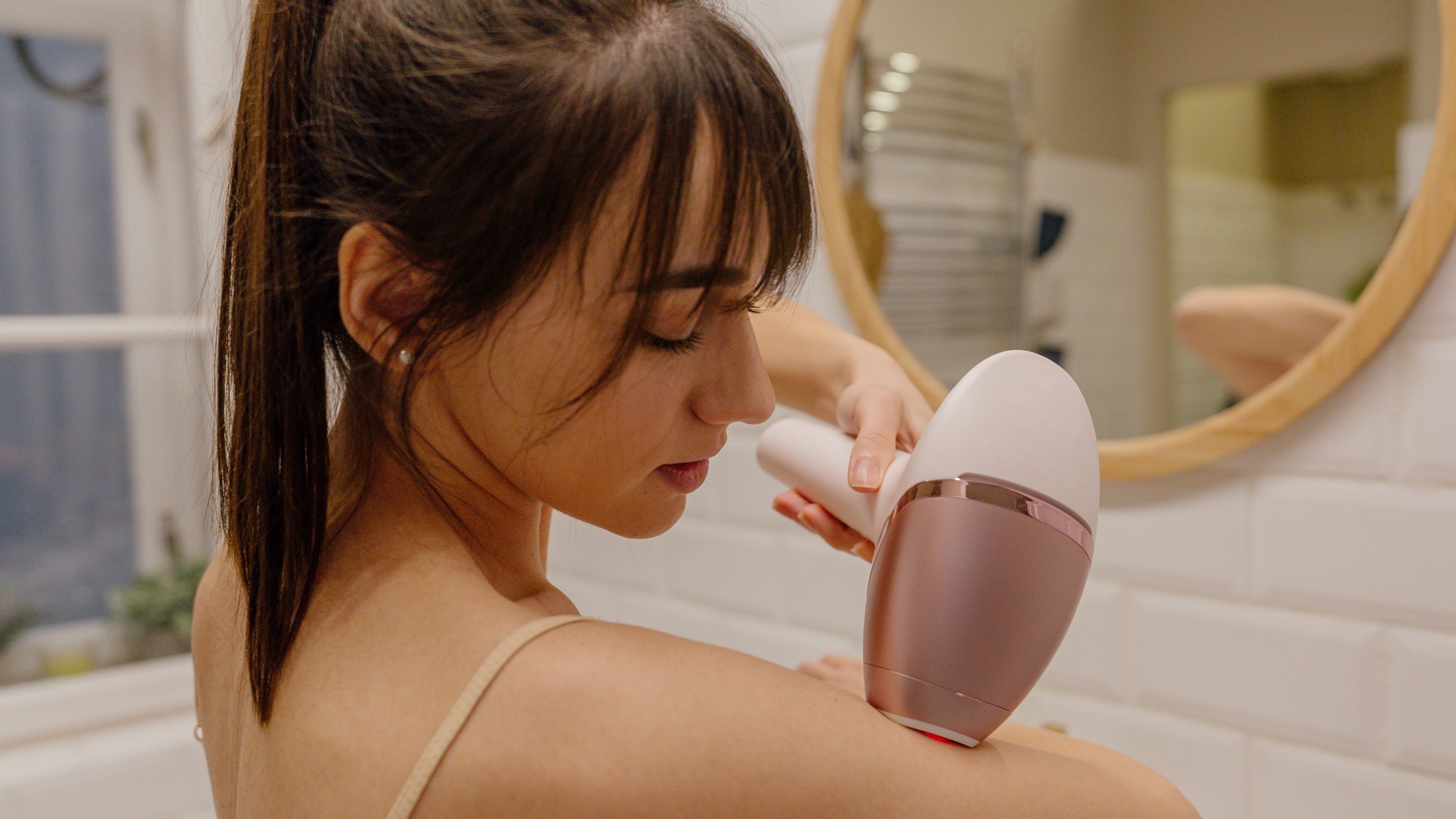
At-home IPL can reduce PCOS-related hair growth for some people. But results are inconsistent. They’re closely tied to hormone levels. And there’s a real risk of triggering more hair growth instead of less. That risk shows up often enough in both research and real user reports that it deserves more attention than most product marketing gives it.
Why PCOS Hair Behaves Differently
PCOS causes the body to produce higher levels of androgens. These hormones stimulate hair follicles to grow thicker, darker, coarser hairs. This shows up most on the face, chin, and jawline. This isn’t a one-time issue. As long as androgen levels stay elevated, those follicles keep receiving the signal to keep producing this type of hair. That’s the key difference between PCOS-related hair and ordinary unwanted hair. Removing the hair that’s there doesn’t stop new hair from forming, since the same hormonal process keeps driving it.
How At-Home IPL Works, and Its Real Limits
The Melanin-Contrast Mechanism
IPL devices work by shining light that gets absorbed by melanin, the pigment in hair. That absorbed light turns into heat. The heat damages the hair follicle enough to slow or stop future growth. This is why the technology depends heavily on contrast. It works best when hair is dark and skin is light, since the device can clearly tell the difference between the two.
Power Limits of Consumer Devices
Clinical laser machines deliver far more energy than handheld home devices. That gap matters more for PCOS-related hair specifically. These hairs tend to be thicker and more deeply rooted than typical body hair. Several sources note that lower-powered devices often can’t deliver enough energy to meaningfully affect them.
Skin Tone and Hair Color Restrictions
IPL doesn’t work well on hair with too little pigment. Blonde, red, gray, or white hair usually won’t respond, since there isn’t enough melanin for the device to target. It also carries higher risk on darker skin tones. The device can struggle to tell the difference between melanin in the hair and melanin in the skin. This raises the chance of burns or pigment changes.
The Paradoxical Growth Risk
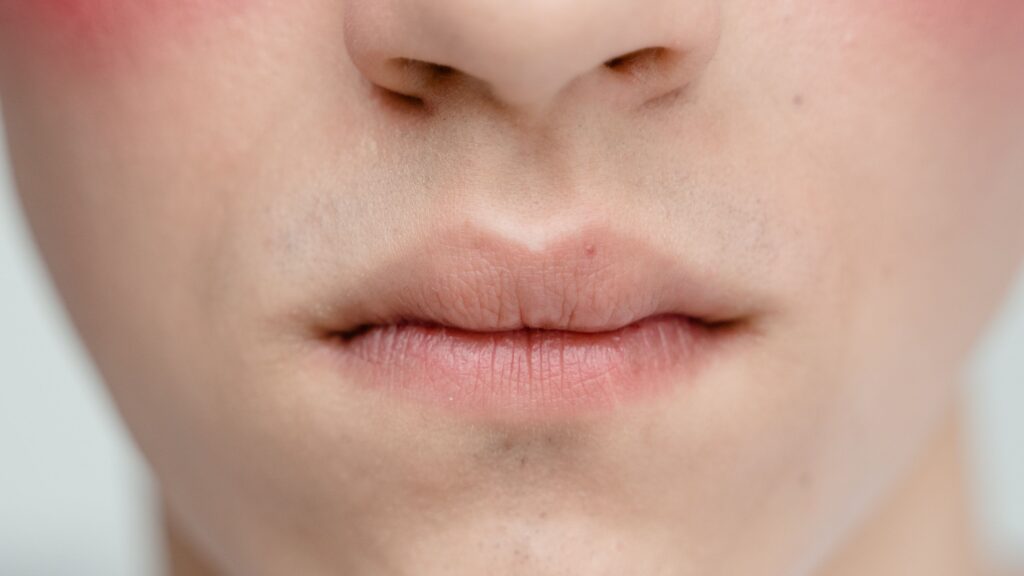
Paradoxical hypertrichosis is when light-based hair removal stimulates more hair growth instead of reducing it. The theory: when energy is too low to fully damage a follicle, it can activate small, fine “peach fuzz” hairs instead. Those fine hairs then turn into thicker, longer, darker ones.
Estimates for how often this happens vary. Sources generally cite somewhere between roughly 1 in 150 and 1 in 10 treated cases. Multiple sources note it happens more often on the face. It also appears more common in people with PCOS or elevated androgen levels. It shows up repeatedly in real accounts from people who’ve tried both at-home devices and professional treatments. Others described new hair appearing in areas that previously had none.
Early Warning Signs to Stop and Reassess
A few signs suggest it’s time to pause treatment rather than push through:
- Hair appearing thicker or darker than before, rather than thinner
- New hair growth in areas that weren’t previously affected
- No change or worsening after several consistent sessions
What Users Actually Report
Real experiences with IPL and laser for PCOS-related hair are mixed.
Some people report solid, lasting results. One user described years of maintained improvement after laser treatment on multiple areas, including the chin. Others describe a more modest but real benefit. After several weeks of consistent at-home IPL use, one user reported their arm hair was gone. Their upper lip hair was noticeably thinner too, even though their chin hadn’t fully responded yet.
At the same time, plenty of others report hair returning within a year. Some see barely any improvement at all. A consistent theme across several accounts: results depend heavily on whether hormone levels are also being managed. As one user put it, hair removal can permanently remove certain hairs. But if hormones aren’t under control, new hairs simply appear to replace them.
Other Hair Removal Options
Professional Laser
Clinical lasers deliver more consistent, higher-powered energy than at-home devices. This makes them more effective for coarser, hormonally-driven hair. That said, professional treatment isn’t a guarantee either. Real feedback include both strong long-term results and cases of paradoxical growth happening even in a clinical setting. Higher power reduces the unpredictability, but it doesn’t eliminate it.
Electrolysis
Electrolysis uses a small electrical current delivered directly into the hair follicle. It’s the only hair removal method widely described as capable of fully destroying a follicle for good, regardless of hair color or skin tone. It’s more time-consuming and typically more expensive per session. But for hormonally stubborn facial hair, it’s the option most consistently described as offering permanent results.
Hormonal Treatment
None of these hair removal methods address the actual cause. Medications like spironolactone or combined oral contraceptives work by lowering androgen levels or blocking their effect on hair follicles. This is the piece that actually slows new hair production, rather than just managing what’s already there.
A More Useful Way to Approach This
Given all of this, the most useful mindset is to treat hair removal as ongoing maintenance rather than a permanent fix, unless it’s paired with hormonal management. If you’re going to try an at-home IPL device, a conservative approach works best. Patch test first. Monitor closely over the first several sessions. Stop immediately if you notice hair getting thicker or appearing in new areas, rather than assuming it will improve with more use.
When to Talk to a Dermatologist
- Noticeable increase in hair thickness or density after starting any hair removal method
- Hirsutism that developed rapidly or severely, which can occasionally point to something beyond typical PCOS
- No improvement after a reasonable, consistent trial period
- Interest in combining hormonal treatment with a hair removal plan
Before trying any device, it’s also worth reviewing general safety standards for at-home beauty devices. Not every product on the market meets the same testing or power standards.
FAQ
Is at-home IPL safe to use with PCOS?
It’s not completely unsafe. But it carries a higher chance of inconsistent results, and in some cases, worsening hair growth on the face specifically. A cautious, closely monitored approach is safer than assuming standard guidelines apply the same way.
Why does hair sometimes grow back thicker after laser or IPL?
This is called paradoxical hypertrichosis. It’s thought to happen when the energy level is too low to fully damage a follicle. That can stimulate fine hairs into becoming thicker, longer ones instead of slowing growth.
Is electrolysis better than laser for PCOS-related hair?
For hormonal, treatment-resistant hair, electrolysis is generally considered the most reliable path to permanent removal. It doesn’t depend on hair color or skin tone the way light-based methods do. It’s slower and often costs more per session, though.
Sources
- “Hirsutism”, 2025, Mayo Clinic
- “Hirsutism and Polycystic Ovary Syndrome (PCOS)”, Reproductive Facts
- “Skin and Hair Colours Suitable for IPL Hair Removal”, 2025, Braun
- “Laser Hair Removal for PCOS: Does It Actually Work?”, 2026, Pigment Clinics
- “Paradoxical Hypertrichosis & At-Home IPL”, 2025, YouTube
- Reddit community threads from r/PCOS, r/HairRemoval, and r/LaserHairRemoval documenting real user experiences with at-home IPL, professional laser, and paradoxical hair growth
Leave a Reply