
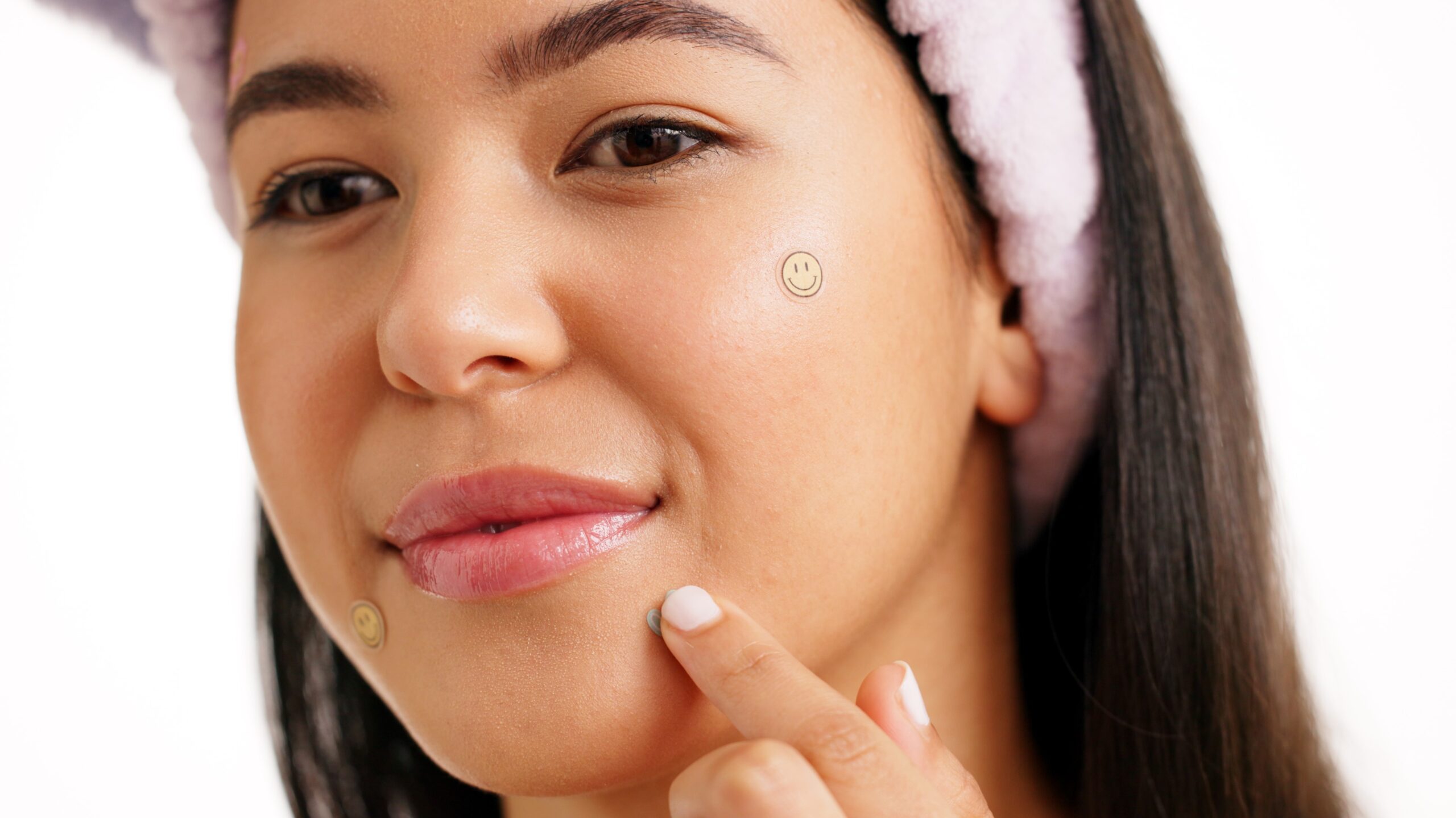
Pimple patches can lower the chance of a leftover mark, especially if you tend to touch or squeeze your breakouts. Covering the spot reduces extra injury, while a suitable hydrocolloid patch can absorb fluid and protect the area as it heals.
The benefits extend beyond keeping your hands away. Some patches can make surface-level pimples look flatter, and early research reports less pigmentation after patch use.
Choose a patch for your current spot. A draining pimple, a deep lump, and a flat brown mark call for different care.
Why Do Some Pimples Leave Marks?
When a pimple becomes inflamed, your skin can respond by producing extra pigment. After the bump settles, a flat brown or gray-brown spot can remain. This is called post-inflammatory hyperpigmentation, or PIH.
Picking and squeezing injure an already inflamed area. That increases the risk of discoloration, infection, and scarring, especially if your skin tends to develop dark marks after irritation. Leaving a painful pimple alone gives it a better chance to heal without that additional trauma.
Flat discoloration and indented scars are separate concerns. A patch works best when a pimple is active or healing. If your concern is a pit or depression, start by matching treatment to the acne-scar type.
How Pimple Patches Help a Spot Heal
Keeping the Area Covered
A patch creates a physical barrier over the pimple. It can stop repeated checking, pressing, and scratching that often happens without thinking.
If the spot has already opened, appropriate coverage also shields the healing surface from further interference. You don’t need to wait until you’ve picked a pimple to use a patch. Covering it before the habit starts can help you avoid picking it in the first place.
Absorbing Fluid Near the Surface
Plain hydrocolloid patches contain a material that absorbs moisture and forms a gel. They work best when fluid is accessible, such as when a pimple has begun to drain.
As the patch takes up fluid, it becomes “cloudy,” and the bump can look flatter. The white area reflects moisture absorption and changes in the patch material. It doesn’t show that the sticker has pulled out the acne’s “root,” though.
A surface-level, draining lesion usually responds differently from a closed bump or deep lump. An absorbent patch has less to draw through intact skin. Don’t pop a pimple to give the patch something to absorb.
Interrupting the Picking Cycle
For people who pick, the behavioral benefit can be substantial. A sticker makes the spot harder to reach and reminds you to stop before you start squeezing again.
Each time you avoid reopening or pressing the pimple, you spare the area some unnecessary injury. The patch helps keep a temporary breakout from becoming a repeatedly irritated wound.
Can Patches Reduce the Dark Mark Left Behind?
There’s encouraging early evidence. In a short trial involving 37 volunteers, an unmedicated hydrogel patch improved the appearance of active pimples and was associated with less post-inflammatory pigmentation than leaving the lesions untreated. The findings support protecting a pimple during healing, though they apply to the specific patch studied.
At home, the benefit is practical: a suitable patch can cover the spot, absorb accessible fluid, and reduce picking. Together, those functions support gentler care while the pimple settles.
A deeply inflamed breakout can still leave discoloration, even with careful care. Keep patches alongside regular acne care and sun protection rather than relying on them to prevent every mark.
What Types of Pimples Do Patches Work Best On?
Match the patch to the stage of the spot instead of covering every bump with the same product.
| What the spot looks or feels like | What a plain hydrocolloid patch can offer | What to expect |
|---|---|---|
| A surface-level pimple that has started draining | Fluid absorption and coverage | The spot can look flatter as fluid is absorbed |
| A pimple you repeatedly touch | A physical barrier | Less interference while it settles |
| A blackhead or small closed bump | Limited benefit | A clogged-pore treatment can address the underlying problem |
| A deep, painful lump | Coverage that discourages picking | It won’t draw material out through intact skin |
| A flat mark after the pimple has healed | Little benefit from absorption | Shift attention to discoloration care |
Repeated deep or painful breakouts need a broader acne-treatment plan. A patch can cover one lesion, but it won’t stop the next breakout.
Which Kind of Pimple Patch Should You Choose?
The packaging may look similar, but the products serve different purposes.
Plain Hydrocolloid Patches
Choose these when you want to absorb excess fluid and keep a suitable lesion covered. Added acids aren’t necessary for those functions.
A simple formula is a reasonable starting point for easily irritated skin. The adhesive can still cause a reaction, so watch the surrounding area as well as the pimple itself.
Medicated Patches
Some patches contain ingredients such as salicylic acid. Check the full formula, intended use, and application instructions.
If you already use a retinoid, benzoyl peroxide, or another acne treatment, avoid layering an active-containing patch over the same spot. Too many treatments can dry out or irritate the skin. Follow the product’s directions rather than trying to speed things up with extra layers.
Dissolving Microdart Patches
These patches have tiny projections designed to dissolve and deliver ingredients into the skin’s superficial layers. Some formulas target active blemishes, while others target discoloration.
Studies have explored ingredient-containing dissolving patches for acne and pigmentation. Check the ingredients and intended use, since results depend on the specific formula and patch design.
After the Pimple Heals, Adjust Your Routine
Once the bump has settled into flat discoloration, focus on preventing new breakouts, protecting the skin from sunlight, and choosing care that suits uneven tone.
If acne keeps returning, control breakouts without overwhelming your skin barrier. Otherwise, new marks can appear while older ones are still fading.
Optional recovery-focused skincare can fit if it keeps your skin comfortable. Give each product a clear role instead of expecting one patch or ingredient to handle active acne, healing, and pigmentation.
Use patches to make individual pimples easier to care for and harder to pick. Once a bump has healed, move on to caring for the remaining mark instead of covering it with the same product.
Frequently Asked Questions
Do Pimple Patches Prevent Dark Spots?
They can help reduce avoidable injury and irritation, especially by stopping you from picking. Some research also reports less pigmentation after patch use. A carefully handled pimple can still leave discoloration, so continue acne care and sun protection.
Can I Put a Pimple Patch on an Existing Acne Mark?
Check which kind you’re using. Plain hydrocolloid has little to absorb after the pimple heals.
Should I Pop a Pimple Before Applying a Patch?
No. Choose a patch for the spot as it is. Popping creates extra injury and increases the risk of discoloration, infection, and scarring.
Can a Pimple Patch Leave a Dark Mark?
It can if the adhesive, added ingredients, or repeated removal irritates your skin enough to trigger pigmentation. Stop using a patch that causes itching, soreness, or worsening redness.
Leave a Reply