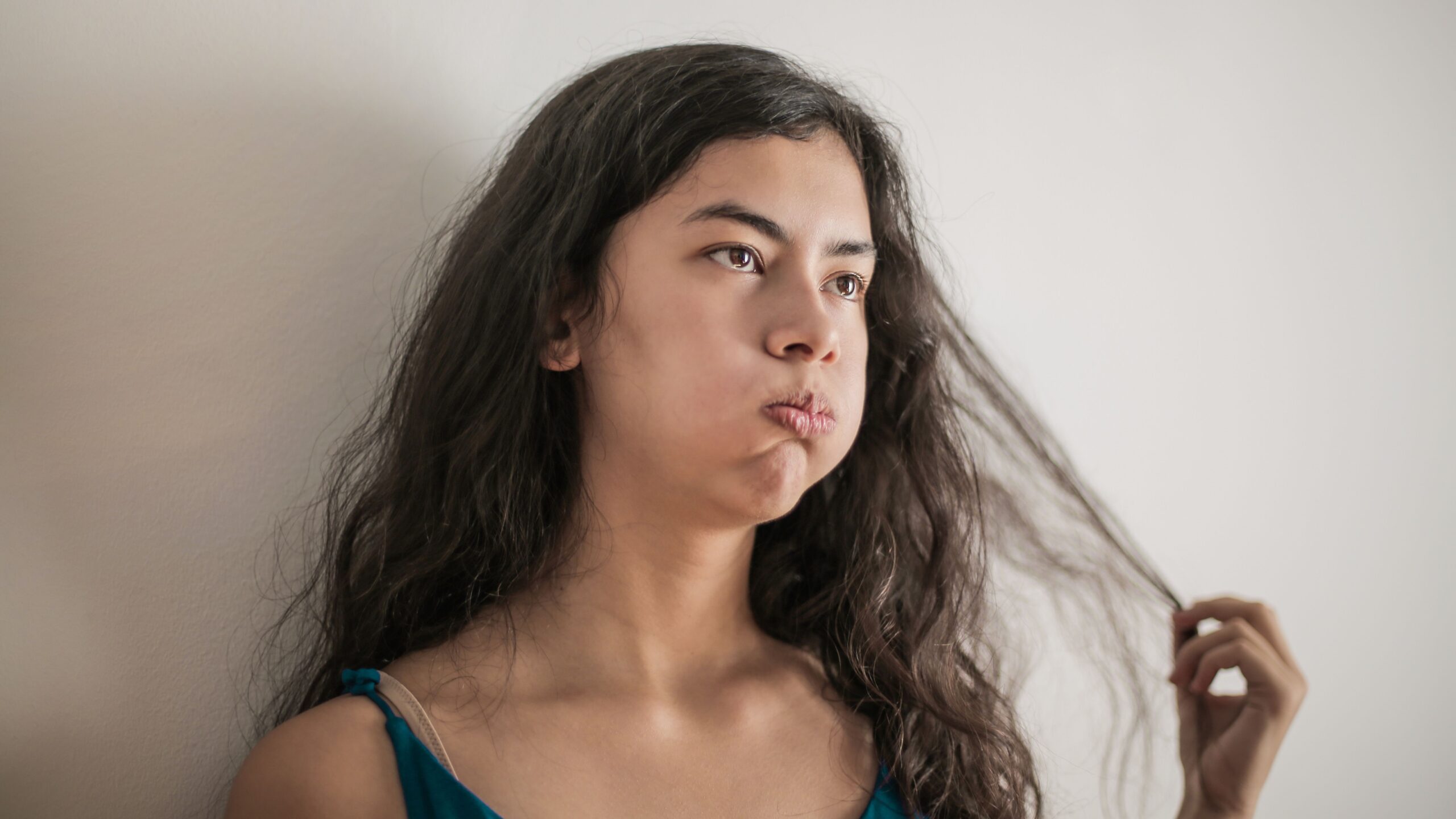
Your hair looks smooth when you put the straightener down. An hour later, the roots have puffed up, waves are returning, or flyaways have appeared. What changed?
Hair gets frizzy after straightening for several reasons. Moisture can loosen the temporary style, uneven preparation can leave some sections harder to smooth, and existing damage can make the surface feel rough. You often have useful adjustments to try before reaching for a higher temperature.
We’ll look at what happens when frizz appears, how to prepare your hair for a smoother result, and which products and styling habits can help it last longer.
When Does the Frizz Show Up?
Notice where your style changes and how quickly it happens. That gives you a starting point for deciding what to adjust.
| What you notice | What to check first |
|---|---|
| Hair looks rough or frizzy immediately | Conditioning, preparation, section size, and existing damage |
| Hair looks smooth indoors but puffs up outside | Humidity and whether your styling product helps with moisture resistance |
| Roots or underneath sections change first | Whether those areas were fully dry and styled evenly, plus later sweat or moisture exposure |
| Short strands stick out while the lengths stay straight | Flyaways, new growth, breakage, or static |
| Hair becomes progressively rougher across styling sessions | Heat frequency, repeated passes, and the condition of the strands |
These clues can help you avoid treating every issue with another pass of the iron. A style that changes in damp weather needs a different adjustment from hair that feels rough before you leave the bathroom.
Why Humidity Can Undo Straightened Hair
Heat styling temporarily changes how your hair holds its shape. Part of that process involves hydrogen bonds, which are small interactions within the hair’s keratin proteins that respond to moisture.
As hair dries and sets into a straighter shape, those interactions help hold the style. When water reenters the strand, the structure becomes more flexible, allowing waves, bends, or curls to return. That explains why humid weather can change a straightened hairstyle even when it looked polished earlier.
Humid air, sweat, steam, and rain can all contribute. Your hair doesn’t have to be severely dry or damaged for this to happen. Healthy hair responds to moisture, too.
Conditioning improves softness and manageability. Maintaining a heat-styled shape in damp weather adds another challenge, which is where prep and styling products come in.
What to Change Before Your Next Straightening Session
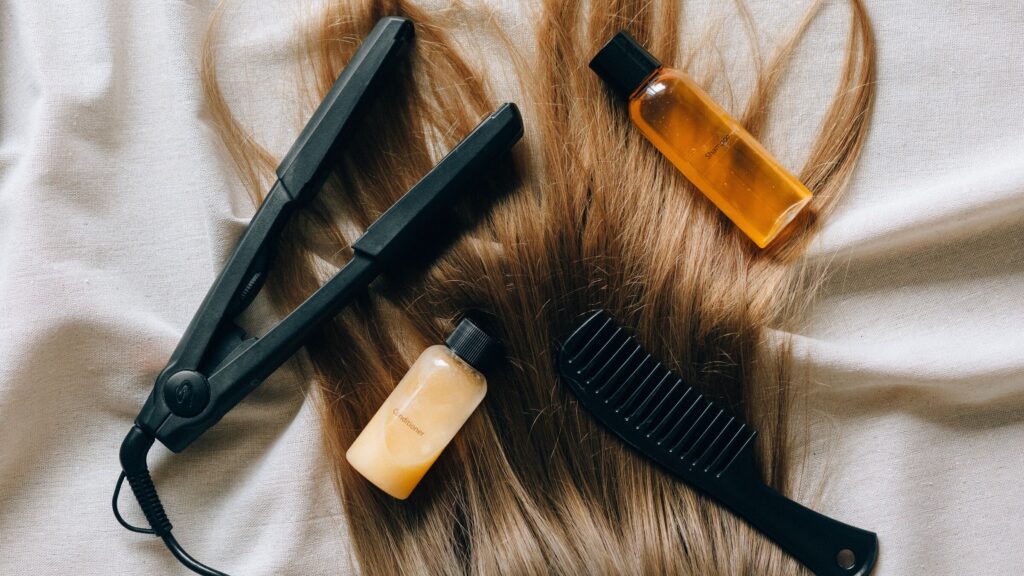
Make Hair Easier to Manage Before Adding Heat
If your lengths feel tangled and rough before styling, focus more on prep. Conditioner improves slip and helps strands move past one another with less friction.
A leave-in can help when rinse-out conditioner doesn’t provide enough manageability. It can reduce frizz, static, and flyaways while making detangling easier. Fine strands generally suit lighter formulas, while thicker or curly hair often benefits from richer conditioning. Leave-in conditioners can improve smoothness immediately, so you can assess whether one makes preparation easier without waiting weeks.
Start with a small amount and distribute it as directed. If your hair stays dry despite conditioning, look at the wider routine rather than continually adding more product.
Check That Your Hair Is Fully Dry
For a conventional flat iron, hair should be dry before the plates touch it. Check the roots, back of the head, and underneath sections instead of judging by the outer layer alone.
If you apply a water-based product before straightening, follow its directions and allow your hair to dry as instructed. Stop if you hear sizzling and check what’s happening before continuing.
Rapidly heating wet hair can cause physical damage as water heats and escapes. The general recommendation (from AAD) is to use conventional flat irons on dry hair at a low or medium setting. Wet-to-dry appliances have different designs and their own operating instructions.
Work With Sections You Can Control
Choose a section size that lets you guide the hair evenly through the plates. If you’re clamping a thick bundle and repeatedly going over it to reach missed strands, smaller sections could make the process easier.
Aim for a controlled pass rather than holding the iron still over one spot. There’s no perfect section width or pass count for everyone. Plate size, hair density, preparation, and your desired result all affect the technique.
Leave a few short flyaways alone if the rest of the style is smooth. Repeatedly chasing them with hot plates adds heat exposure without necessarily improving the overall result.
Match the Product to the Job
Three product functions need separating:
- Conditioning improves softness, slip, and manageability.
- Heat protection helps reduce damage during heat styling.
- Humidity resistance or style hold helps the finished style retain its shape.
Some formulas cover more than one function. Check the label before assuming a leave-in also protects against heat or that every heat protectant resists humidity.
You don’t necessarily need three separate products. Understanding what’s missing can help you choose one useful addition instead of layering several products with overlapping claims.
How to Help Straightened Hair Stay Smooth Longer
If your style looks good until you hit damp weather, consider a product designed to resist humidity. Styling polymers can help hair hold its shape longer, although performance depends on the formula and conditions. Research into heat styling and style retention explains how moisture gradually releases a heat-set shape and why styling products can help.
Read the application instructions before adding the product. Some humidity-resistant formulas belong on damp hair before drying. Others are finishing products. Spraying something over a completed style won’t reproduce the intended result if it needs a different application method.
A few habits can also help:
- Keep hair away from unnecessary water and steam when preserving the style matters.
- Follow any heat-activation directions on your styling product.
- Apply a small amount of a suitable finishing product where the ends need smoothing.
- Avoid adding several layers of product at the first sign of puffiness.
An oil or serum can improve the feel and appearance of your lengths. If weather-related changes are the main problem, look for a specific humidity-resistance product.
Expect better control, with some flexibility. Your natural texture and how much moisture it’s exposed to still affect how long the result lasts.
When Another Pass Stops Being Helpful
It’s tempting to turn up the heat when a style doesn’t last. Higher temperatures can improve the initial setting, but they also increase the damage trade-off.
Before changing the temperature, ask yourself:
- Was my hair fully dry?
- Could I guide each section evenly through the plates?
- Did the style look smooth initially?
- Did it change only after exposure to moisture?
If your hair looked smooth until you stepped into humid air, focus on preparation and style retention before assuming the iron was too cool.
Pay closer attention when strands become rougher, more tangled, or snap more easily across repeated sessions. Review heat frequency and repeat passes, especially on chemically treated or already fragile lengths.
Short hairs alone are less conclusive. New growth and broken strands can both stick out, so look at the wider pattern. Understanding breakage, shedding, and thinning can help you avoid treating every flyaway as damage.
Use a lower effective setting, limit unnecessary passes, and take breaks from heat where practical.
Could Your Straightener Be Part of the Problem?
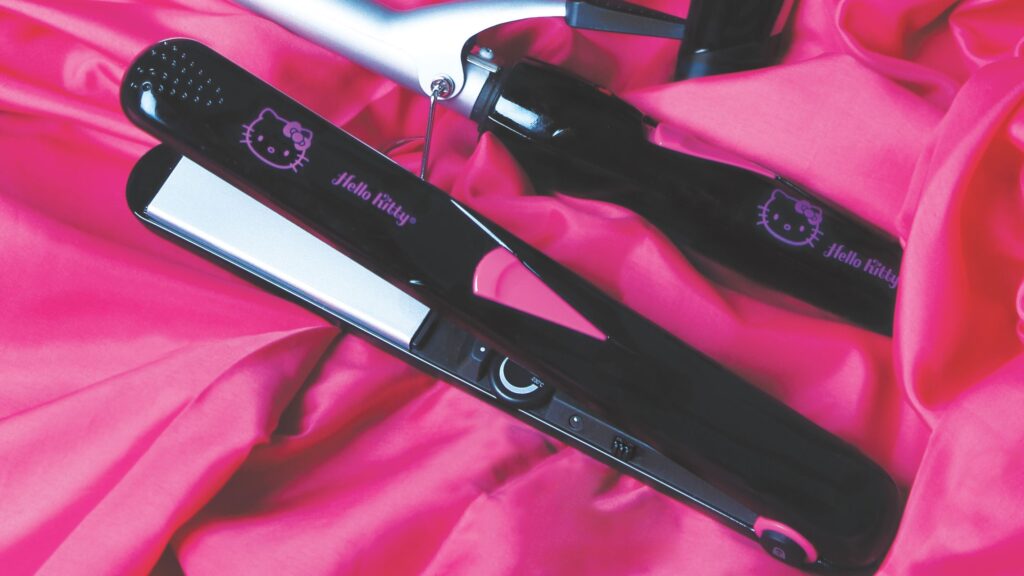
Consider the tool if it snags, feels awkward to control, or requires repeated passes to produce a usable result.
Look at the whole experience. Can you choose a manageable setting? Do the plates glide comfortably? Can you get a consistent result across sections?
A different tool could make styling easier. Preparation, hair condition, and weather will still affect the outcome. Immediate shine also doesn’t establish whether a tool reduces long-term damage.
If your straightener produces a good result that only changes in damp conditions, adjust your prep and styling products before deciding you need a replacement.
Conclusion
You’ll get more useful results by adjusting the part of the routine that’s causing trouble. Improve preparation for immediate frizz, focus on hold when weather changes the style, and reduce heat exposure if roughness and breakage are increasing.
Frequently Asked Questions
Why Does My Hair Get Puffy After Straightening?
For immediate puffiness, check conditioning, dryness, and whether you styled each section evenly. If it develops later, moisture is likely the culprit. Humid air or sweat can loosen the temporary shape and allow your natural texture to return.
Does Frizz After Straightening Mean My Hair Is Damaged?
No. Healthy hair can lose a heat-styled shape when exposed to moisture. Increasing roughness, tangling, and breakage are stronger reasons to reassess your heat habits than frizz alone. If breakage persists despite gentler care, it’s worth discussing with a dermatologist.
Should I Use Oil Before or After Straightening?
Follow the product’s intended use. Before heat styling, choose a formula labeled for heat protection and apply it as directed. A small amount of a suitable finishing oil or serum can smooth your lengths afterward. Don’t assume a plain oil provides the same protection as a formulated heat protectant.
How Can I Keep My Hair Straight in Humid Weather?
Start with manageable, fully dry hair, use a humidity-resistant product as directed, and limit unnecessary moisture exposure. Aim for longer-lasting smoothness while letting some natural texture return.
Leave a Reply