
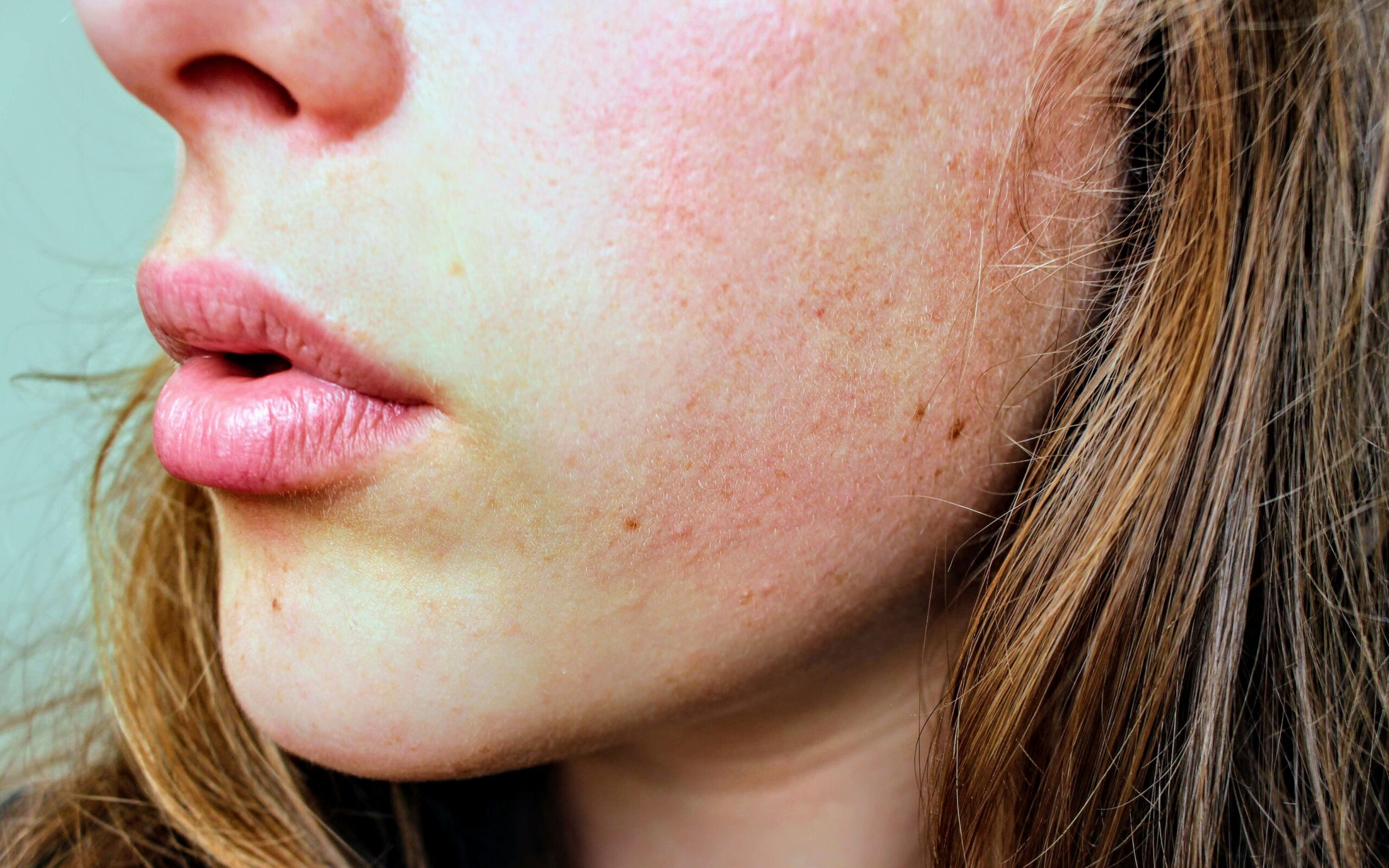
Your skin barrier is the outermost layer of your skin, and it does more work than most people realize. It keeps moisture in, keeps irritants out, and quietly protects you from bacteria, pollution, and UV exposure every single day. When it’s working well, you rarely think about it. When it’s damaged, everything from your favorite serum to your moisturizer can suddenly feel wrong on your skin.
What Exactly Is the Skin Barrier?
Dermatologists often compare the skin barrier to a brick wall. The “bricks” are your skin cells (called corneocytes), and the “mortar” holding them together is a mix of lipids like ceramides, cholesterol, and fatty acids. This structure sits in your stratum corneum, the top layer of your skin, and it’s responsible for two main jobs: keeping water inside your skin and keeping everything else outside.
When that mortar breaks down, whether from harsh products, weather, or over-exfoliating, the wall gets gaps. Water escapes more easily, irritants get in more easily, and your skin starts sending signals that something is off.
Signs Your Skin Barrier Might Be Damaged
Some signs are obvious. Others are easy to miss or blame on something else entirely. Here are the most common ones dermatologists point to:
- Stinging or burning from products you used to tolerate just fine
- Persistent redness, flushing, or a flare of rosacea-like symptoms
- Tightness, flaking, or dryness that doesn’t improve with moisturizer
- Breakouts or small bumps that show up seemingly out of nowhere
- Dullness or a “deflated” look to your skin, especially as you age
- Peeling or splitting, particularly around areas that get picked at or over-treated
- Increased reaction to sun, wind, or temperature swings
One sign that catches people off guard is redness and irritation specifically around the mouth or nose, sometimes mistaken for a new allergy when it’s actually linked to barrier disruption. If a product you’ve used for months suddenly stings, that’s often your skin barrier telling you it’s compromised, not a sign the product changed.
What Actually Causes Barrier Damage
Most barrier damage comes down to a handful of repeat offenders:
| Cause | Why It Hurts the Barrier |
|---|---|
| Over-exfoliating | Strips away lipids faster than skin can replace them |
| Hot water and long showers | Melts away natural oils, similar to butter under hot water |
| Harsh, foaming cleansers | Removes both bad and good oils indiscriminately |
| Stacking too many actives | Overwhelms skin before it can adjust (think retinol plus strong acids at once) |
| Environmental stress | Pollution, cold wind, and UV exposure wear down the barrier over time |
| Skipping moisturizer | Leaves nothing to reinforce the lipid layer while it repairs itself |
Interestingly, one report found that the vast majority of skincare shoppers experience “ingredient overwhelm,” often adding new actives faster than their skin can handle. If your routine has grown a lot in a short time, that’s worth a second look.
How to Rebuild Your Skin Barrier
The good news is that barrier repair doesn’t require anything complicated. It actually works best when you simplify.
Start by stripping your routine down. Cut back to a gentle cleanser, a barrier-supporting moisturizer, and sunscreen. Pause retinoids, strong acids, and any new actives until your skin calms down. Consider using a barrier-repairing face mask after cleansing.
Choose ingredients that mimic your skin’s natural lipids. Ceramides, cholesterol, and fatty acids work best together rather than alone. Research on barrier repair formulations has found that products combining all three lipids in the right ratio repair the barrier significantly faster than products using just one or two of them. Niacinamide, glycerin, and centella asiatica are also commonly recommended for calming and hydrating compromised skin.
Watch your water temperature. Hot water feels good but actively breaks down the same lipids you’re trying to protect, so lukewarm water is the better habit while your skin heals.
Be patient with exfoliation. Skip physical scrubs entirely and dial back on chemical exfoliants until your skin stops reacting.
Don’t skip moisturizer, even if your skin feels oily. A compromised barrier often overproduces oil to compensate for water loss, which can be misread as “oily skin” when it’s really dehydration.
How Long Does Barrier Repair Take?
Barrier repair isn’t an overnight fix. Most dermatologists estimate it takes about three to four months of consistent, gentle care to see real improvement, since your skin has to slowly rebuild its lipid layer rather than patch it instantly. If you’re using barrier-focused moisturizers and staying away from irritants, small improvements in comfort usually show up within a few weeks, even if full recovery takes longer.
FAQ
Can a damaged skin barrier heal on its own?
Yes, in many cases. Removing the irritating factor (harsh products, over-exfoliation, etc.) and keeping the skin simply moisturized often allows the barrier to repair itself over time.
What ingredients should I avoid while my barrier heals?
Strong acids (like high-percentage glycolic or salicylic acid), physical scrubs, and fragranced products are the biggest ones to pause until symptoms settle.
Is it okay to use retinol while my barrier is healing?
It’s best to pause retinol temporarily. Reintroduce it slowly, ideally a few times a week, once stinging and redness have calmed down.
Sources
- Cleveland Clinic. “How To Tell if Your Skin Barrier Is Damaged and What To Do About It.”health.clevelandclinic
- Cosmopolitan. “How to know if your skin barrier is damaged.”cosmopolitan
- Elias, P.M., Man, M.Q., Darmstadt, G.L. “Optimised emollient mixture for skin barrier repair: Applications to global child health.” Journal of Global Health, 2022.pmc.ncbi.nlm.nih
Leave a Reply