
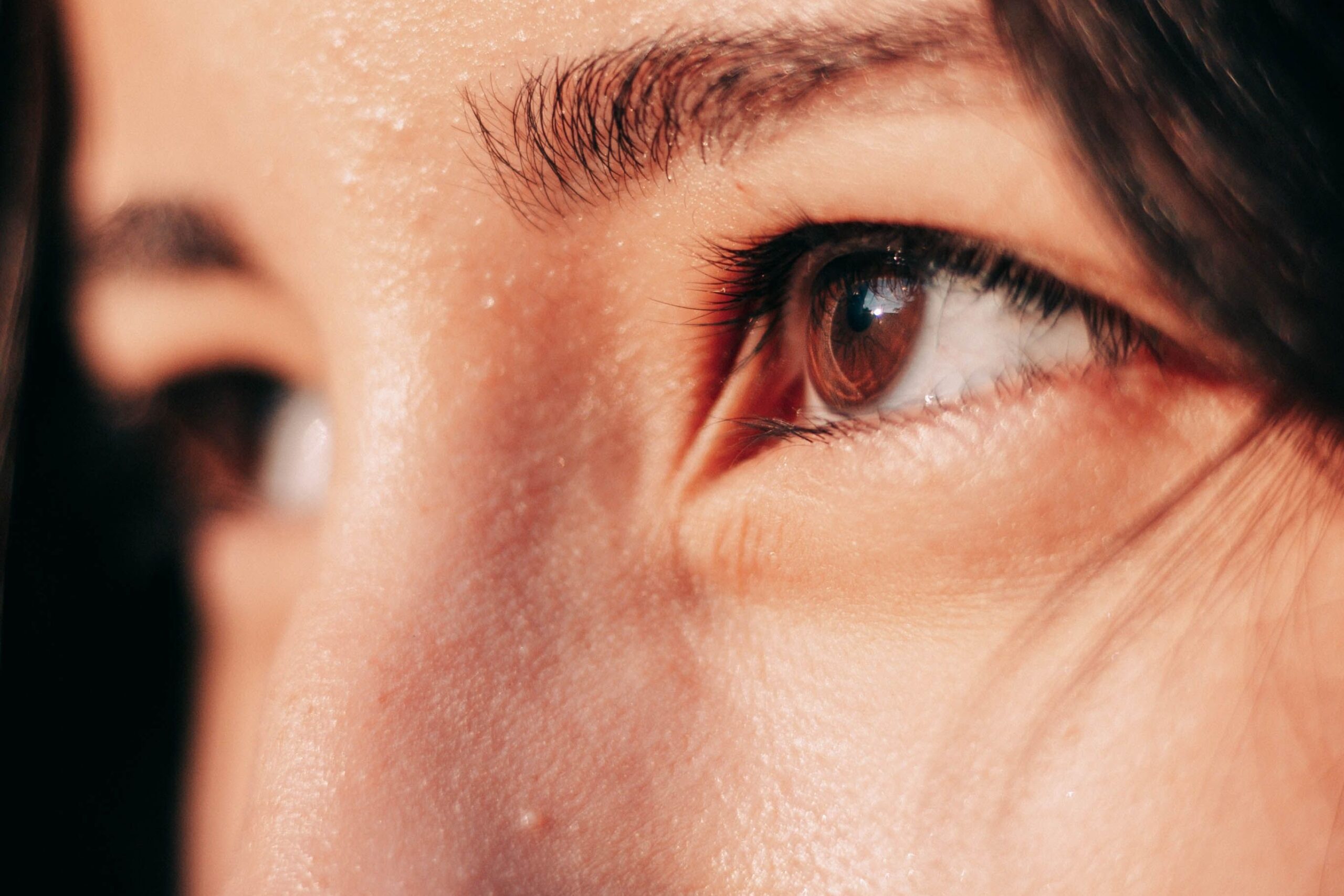
Bumpy or rough skin is one of the most common complaints dermatologists hear, and it rarely comes from just one cause. Clogged pores, dead skin buildup, sun damage, dryness, and genetics can all leave skin feeling less smooth than you’d like. The good news is that once you know what’s actually causing it, fixing it becomes much easier.
What Does “Bumpy or Rough Skin” Actually Mean?
Bumpy skin usually refers to small, raised areas you can feel more than see. Rough skin tends to describe a drier, scratchy surface, often with visible flaking. The two frequently overlap, since dry skin can trap dead cells and create bumps, while clogged pores can also feel rough to the touch.
- Bumpy skin often comes from clogged pores, ingrown hairs, milia, or keratosis pilaris
- Rough skin usually points to dryness, sun damage, or a buildup of dead skin cells
- Many people experience both at once, especially on the cheeks, arms, or thighs
The Common Causes of Bumpy or Rough Skin
A handful of factors explain most texture complaints. Here’s what tends to be behind them:
- Clogged pores and congestion. Oil, debris, and leftover makeup build up in pores and create small bumps or a dull, uneven look
- Dead skin cell buildup. Skin naturally sheds cells, but when they’re not cleared away, they pile up and leave a rough surface
- Dryness and dehydration. Skin lacking moisture becomes tight, flaky, and scratchy, and it’s more prone to irritation
- Sun exposure. UV rays break down collagen over time, leading to patches that feel thicker or more leathery
- Aging. Skin produces less oil and collagen with age, which reduces bounce and makes texture changes more noticeable
- Genetics. If your parents had naturally bumpy or uneven skin, you may have inherited that tendency too
Congested vs. Bumpy Skin: Is There a Difference?
The terms overlap a lot, but congestion specifically refers to clogged pores filled with oil and dead skin, while “bumpy” is a broader description that also includes conditions like keratosis pilaris or milia. If your bumps cluster around pores and worsen with oily skin, congestion is the likely driver. Our guide on shrinking pores at home can guide you to find a treatment for this problem.
Easy At-Home Fixes That Can Help
Most texture concerns respond well to a few consistent habits, rather than one dramatic fix:
- Exfoliate gently, not aggressively. Chemical exfoliants like AHAs and BHAs remove dead skin without the micro-tears caused by harsh scrubs. Two to three times a week is usually plenty
- Add a retinoid. Retinol speeds up cell turnover and helps prevent clogged pores from forming in the first place
- Moisturize daily, even if skin feels oily. Skipping moisturizer can trigger more oil production, which worsens texture rather than improving it
- Wear sunscreen every day. This prevents further collagen breakdown, which is one of the biggest long-term contributors to rough texture
- Avoid picking or popping bumps. This almost always leads to more inflammation and scarring, not less
If your skin also feels sensitive or reactive alongside the texture issue, check the ingredients listed on your skincare products, since irritation from hidden ingredients can make bumpy or rough patches worse over time.
When At-Home Devices Can Help
Some at-home devices support smoother-feeling skin, though expectations should stay realistic compared to in-office treatments. LED light therapy is the best-studied option for texture specifically. In one clinical study, a home-use LED device combining red and near-infrared wavelengths was used twice a week for eight weeks, and researchers measured meaningful improvements in skin elasticity and texture by the study’s end, with the majority of participants showing visible improvement and no reported adverse effects.
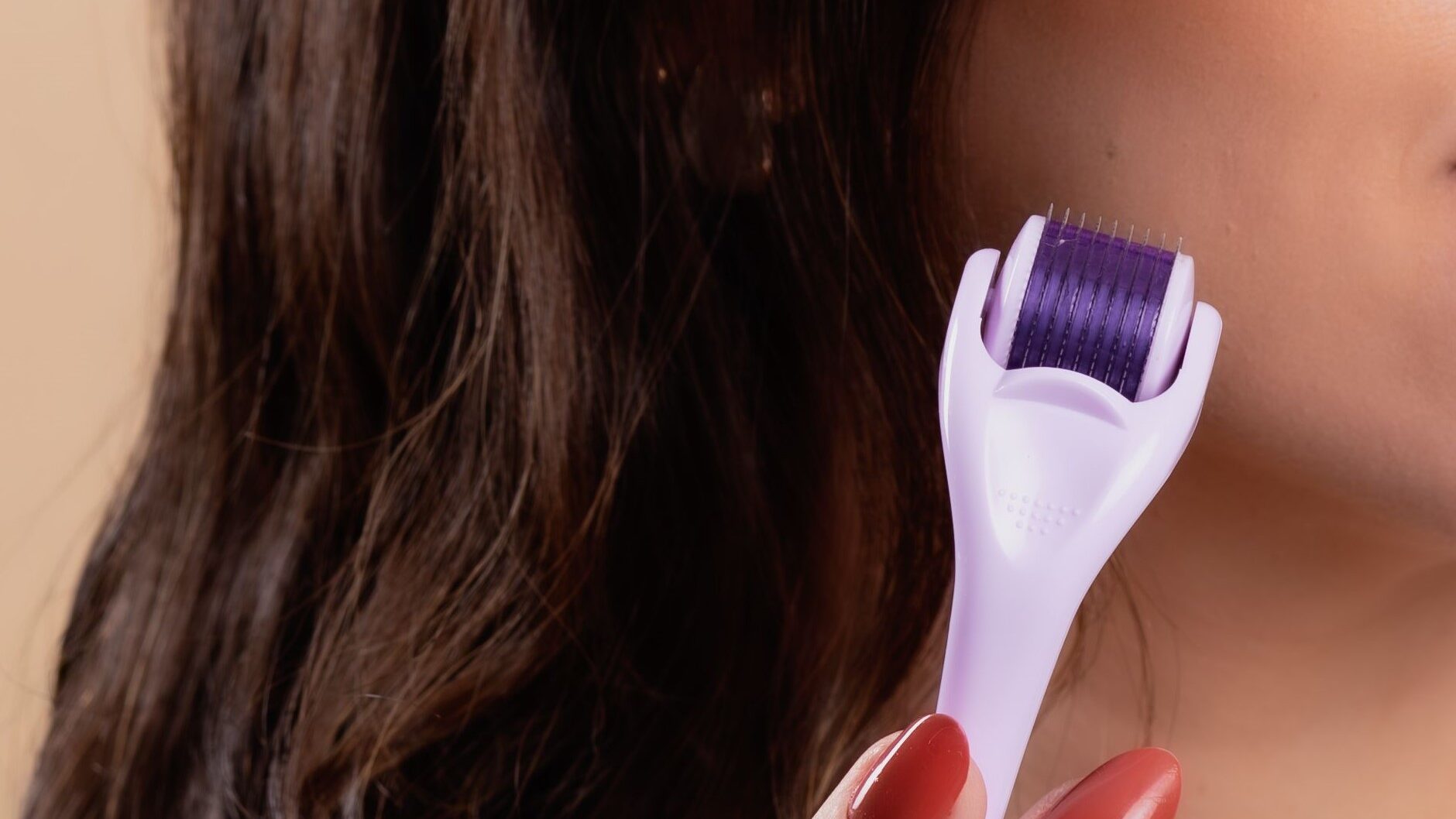
At-home microneedling tools, like derma rollers, work differently. They create tiny micro-injuries meant to stimulate the skin’s natural repair process and encourage smoother-looking skin over time. These devices can help with mild texture concerns, but they carry more risk than LED if used too aggressively or without proper hygiene, since deeper needle depths and unclean tools raise the chance of irritation or infection. Starting with shorter needle lengths and spacing out sessions is the safer approach for texture-focused use.
Devices work best as a supplement to a consistent skincare routine, not a replacement for it. Devices work best as a supplement to a consistent skincare routine, not a replacement for it. Whichever device you choose, patch testing first and starting with lower settings or shorter needle lengths is always the safer way to gauge how your skin responds.
When It’s Actually Keratosis Pilaris
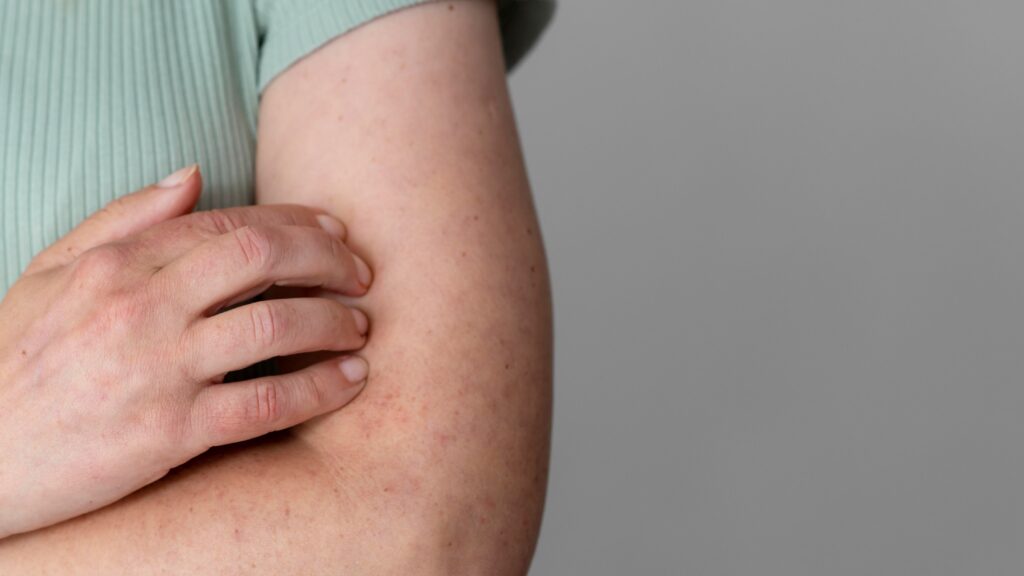
Sometimes bumpy skin isn’t congestion at all. Keratosis pilaris, often nicknamed “chicken skin,” is a common, harmless condition where excess keratin builds up and blocks hair follicles, creating small, rough, skin-colored bumps. It typically shows up on the upper arms, thighs, or cheeks, and it tends to run in families, though it can appear in anyone regardless of genetics.
Keratosis pilaris doesn’t respond to standard acne treatments, since it isn’t caused by oil or bacteria the way breakouts are. Instead, dermatologists usually recommend a different approach:
- Moisturizers containing urea or lactic acid to soften and loosen built-up keratin
- Gentle exfoliation using AHAs rather than physical scrubs
- Avoiding harsh soaps, which can dry out the area and worsen bumps
- Topical retinoids in more persistent cases to increase cell turnover
The condition often improves with consistent care but can flare seasonally, especially in colder, drier months. If bumps don’t improve after a few months of home treatment, a dermatologist can confirm the diagnosis and offer stronger prescription options.
Putting It All Together
Bumpy or rough skin almost always has an identifiable cause, whether that’s congestion, dryness, sun damage, or a specific condition like keratosis pilaris. The fix that works for one cause often does nothing for another, so it’s worth taking a moment to figure out which category actually fits before overhauling your entire routine. In most cases, a simplified routine with regular gentle exfoliation, consistent moisturizing, and daily sunscreen resolves the issue within a few months, and devices like LED can offer a helpful boost once the basics are already in place.
FAQ
Is bumpy skin the same as acne scarring?
Not always. Acne scarring is permanent tissue damage from past breakouts, while bumpy skin from congestion or keratosis pilaris can improve significantly with consistent care.
Can diet affect skin texture?
It can play a role for some people, particularly with hormonal acne or inflammation-driven bumps, though texture is more often driven by skincare habits and sun exposure than diet alone.
How long does it take to see improvement in skin texture?
Most people notice gradual improvement within four to eight weeks of consistent exfoliation, moisturizing, and sun protection, though genetic or hormonal causes may take longer.
Sources
- Clarins USA. “Rough, Bumpy & Uneven Skin Texture: Causes & Treatment.”
- Desert Essence. “Let’s Talk Skin Texture: Types, Causes, & Natural Solutions.”
- NIVEA. “What Causes Textured Skin and How Can I Improve It?”
- Cleveland Clinic. “Keratosis Pilaris: Causes, Symptoms, Diagnosis and Treatment.”
- Wanitphakdeedecha, R. et al. “Efficacy of home-use light-emitting diode device at 637 and 854-nm for facial rejuvenation: A split-face pilot study.” Journal of Cosmetic Dermatology, 2020.
Leave a Reply