
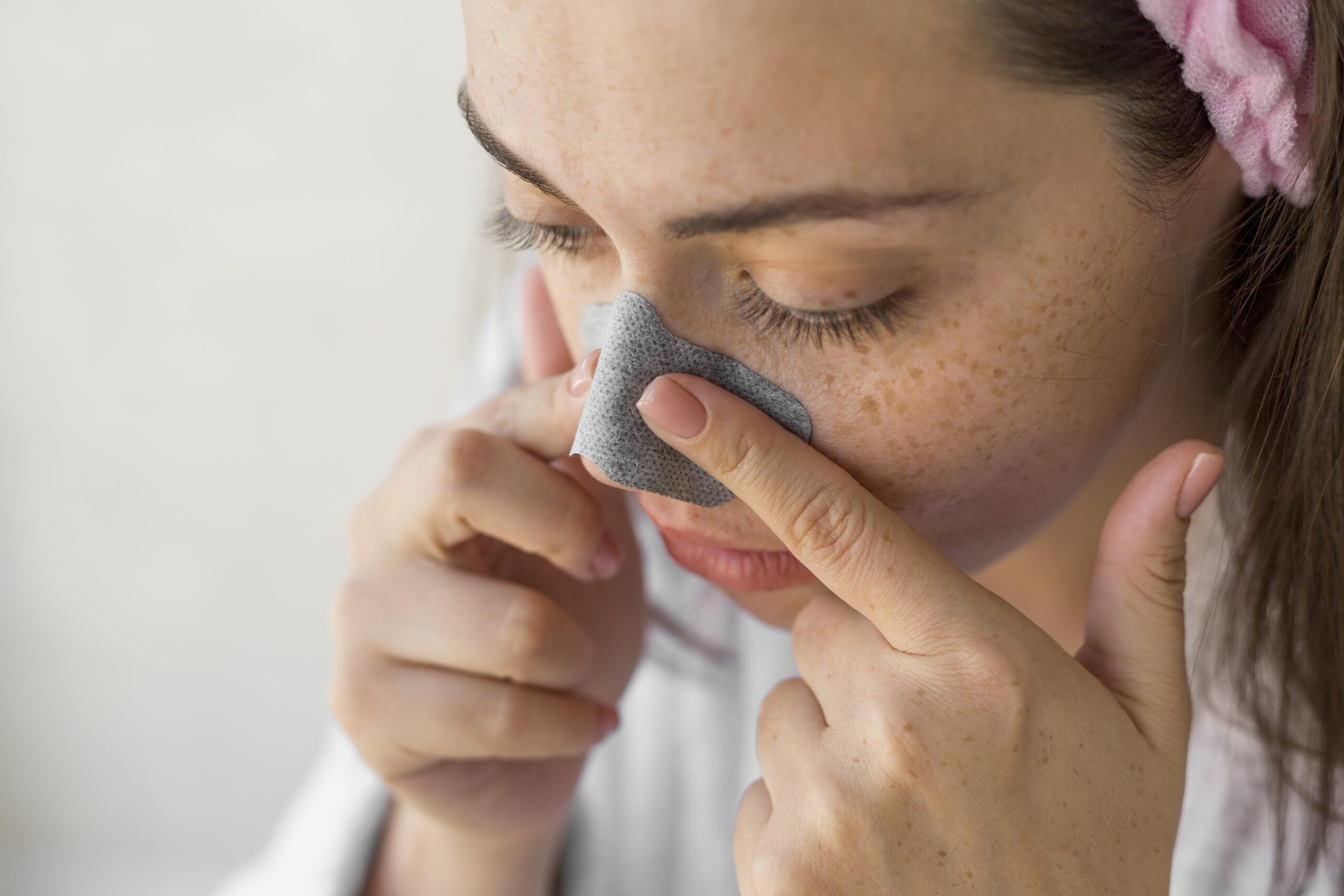
Not every small bump on your skin is the same problem, even though they can look nearly identical at a glance. Blackheads form from oxidized, clogged pores. Milia are sealed keratin cysts with no pore opening at all. Clogged pores (closed comedones) sit somewhere in between. Treating the wrong one with the wrong product is often why nothing seems to work.
Milia vs. Blackheads vs. Clogged Pores
| Bump Type | Pore Opening? | Appearance | Best At-Home Fix |
|---|---|---|---|
| Blackheads | Yes | Dark, raised dot | Salicylic acid, retinoids |
| Whiteheads (closed comedones) | No | Flesh-colored bump | Salicylic acid, retinoids, AHAs |
| Milia | No | Hard, white or yellow bump | Retinoids, AHAs, patience |
| Sebaceous filaments | Yes (functional) | Small gray or tan dots | Salicylic acid, niacinamide (maintenance only) |
A quick note before you start: These ingredient suggestions are general starting points, not a one-size-fits-all routine. It’s worth introducing new actives one at a time and adjusting frequency based on how your skin responds, especially if you have sensitive or reactive skin. If you’re not sure where to start, our guide on fragrance, alcohol, and essential oils covers how to spot ingredients that might already be irritating your skin before adding anything new.
Blackheads: Open, Oxidized, and Oil-Driven
What Causes It
Blackheads are a form of non-inflammatory acne called open comedones. They form when a pore clogs with excess sebum and dead skin cells. Since the pore stays open, the trapped material is exposed to air and oxidizes, which is what actually creates the dark color, not dirt or poor hygiene. Blackheads show up most often on the nose, chin, and forehead, areas with higher concentrations of oil glands.
How to Fix It at Home
- Salicylic acid, applied 3-4 times a week to start, increasing to daily use as your skin adjusts, since it’s oil-soluble and can actually penetrate the pore lining to break down clogging material from within
- A topical retinoid can speed up cell turnover and prevents new clogs from forming in the first place; dermatology sources consistently list retinoids as a cornerstone of comedonal acne treatment
- Niacinamide serums, which can help regulate oil production over time and make pores appear less congested
- Patience over speed. Comedonal buildup takes weeks to clear, and most people see noticeable improvement in 6-8 weeks of consistent use, not days
Whiteheads (Closed Comedones): The Hidden Cousin of Blackheads
What Causes It
Whiteheads form through the same clogging process as blackheads, oil and dead skin building up inside a pore. The key difference is that the pore opening seals over with a thin layer of skin, so no oxidation occurs. This is why whiteheads look flesh-colored or slightly white instead of dark, and why they often feel like a bump under the skin rather than a visible dot.
How to Fix It at Home
Whiteheads respond to the same core ingredients as blackheads, since the underlying clog is identical. The main difference is patience, since the treatment needs to work through a sealed layer of skin:
- Salicylic acid or a gentle AHA, applied consistently to help dissolve the buildup trapped beneath the surface
- A nightly retinoid, which remains the most effective long-term tool for preventing new closed comedones from forming
- Avoiding picking or squeezing, since whiteheads sit deeper than blackheads and forcing them open often leads to irritation or scarring rather than a clean release
Milia: Not Acne, Not Extractable at Home
What Causes It
Milia look like tiny, hard, white or yellowish bumps, and they’re easy to mistake for whiteheads. But they form through a completely different mechanism. Milia are keratin cysts. A protein called keratin becomes trapped and forms a small, fully enclosed sac beneath the skin’s surface, with no pore opening whatsoever. This is exactly why acne treatments don’t touch them. Benzoyl peroxide and salicylic acid target oil and bacteria, and milia contain neither. Milia show up most often around the eyes, cheeks, and nose, and adult skin becomes more prone to them as cell turnover slows with age.
How to Fix It at Home
Milia need a slower, more patient approach, since there’s no pore opening for anything to drain through. The realistic path is encouraging the skin to gradually shed the trapped keratin from the outside in:
- A gentle chemical exfoliant, like lactic acid or glycolic acid, used 2-3 times a week, which helps thin the outer skin layer covering the cyst over time
- A retinoid at night, since consistent cell turnover is the main mechanism that eventually helps milia surface and clear on their own
- Switching away from heavy, occlusive eye creams or balms, since thick products are a common contributing factor, especially for milia that cluster around the eyes
- Realistic timeline expectations. Milia are genuinely slow to resolve at home, often taking two to three months of consistent exfoliation and retinoid use before visible improvement, so consistency matters more than any single product
- Avoiding any at-home extraction tools. Since milia have no natural opening, attempting to lance or squeeze them at home carries a real risk of scarring or infection. Patience with topical treatment is the safer path here
A Fourth Look-Alike: Sebaceous Filaments
What Causes It
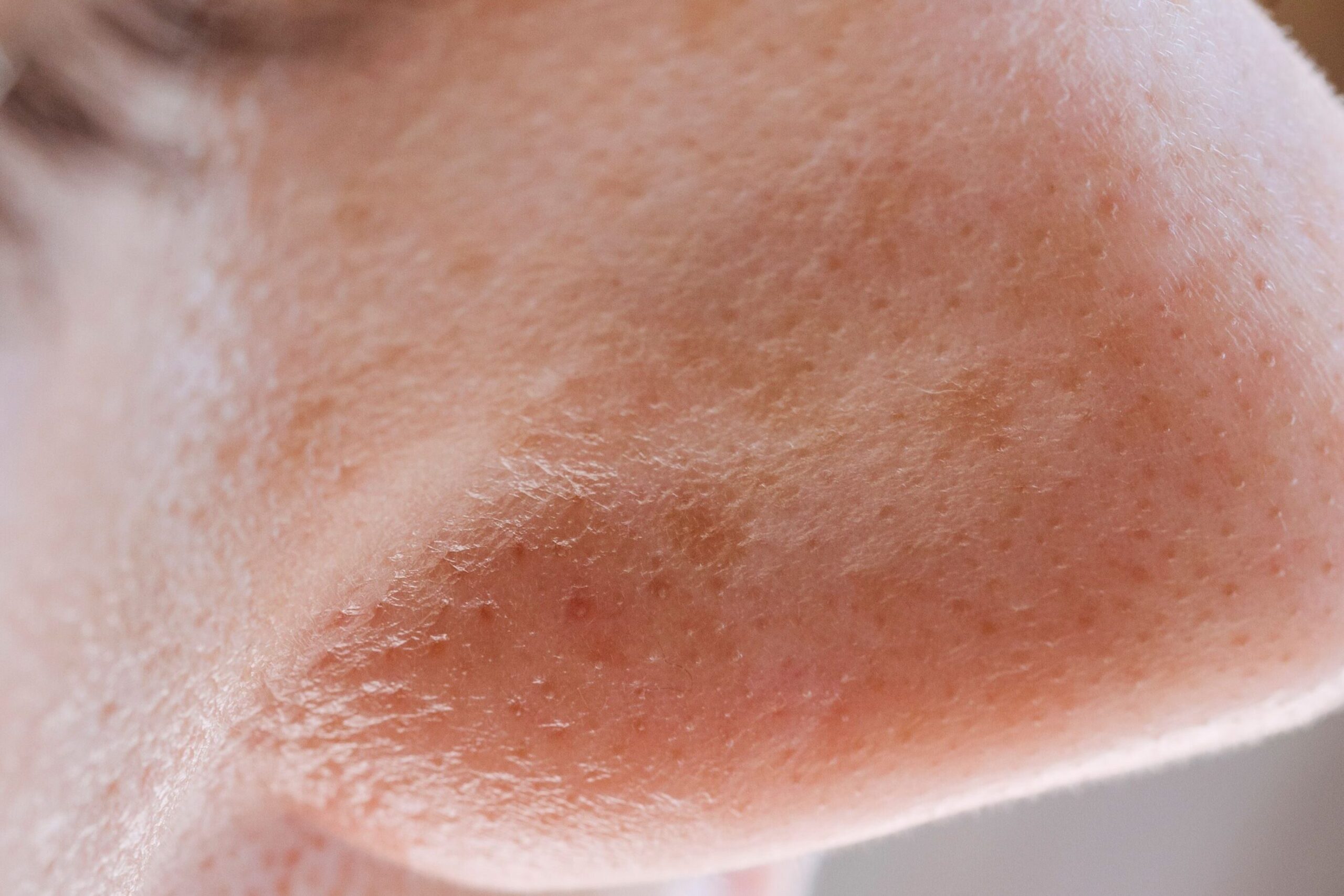
Sebaceous filaments often get mistaken for blackheads, especially on the nose, but they’re a completely different and entirely normal structure. They’re small, tube-like channels that carry sebum from oil glands to the skin’s surface, and everyone has them. Unlike blackheads, sebaceous filaments have no dark, oxidized plug. They appear as small gray or tan dots that sit flat rather than raised.
How to Manage It at Home
Sebaceous filaments aren’t something to cure, just manage cosmetically, since they’re a normal, functional part of healthy skin:
- Salicylic acid and niacinamide, used regularly, can keep pores looking less congested and minimize their appearance between applications
- Occasional clay masks, which can temporarily reduce the appearance of oil buildup in the area
- Skipping frequent pore strips. They offer a one-time, short-lived improvement, but overusing them can weaken pore walls without any lasting benefit, and filaments typically refill within a few weeks regardless
How to Tell Which One You Have
A few quick checks help narrow down what you’re actually looking at:
- Does it have a visible dark center? That points to a blackhead
- Is it flesh-colored, hard, and won’t come to a head no matter what? That’s more likely milia
- Does it look like a small, evenly spaced gray dot that returns quickly after extraction? That’s a sebaceous filament, not a true blockage
- Is it a flesh-colored bump you can feel but not see clearly? That’s likely a closed comedone (whitehead)
What NOT to Do
A few habits make these concerns worse rather than better:
- Don’t pick or squeeze milia. There’s no pore opening to release pressure through, so this only damages surrounding skin
- Don’t use pore strips repeatedly on sebaceous filaments. They can weaken pore walls over time without offering any lasting benefit
- Don’t apply acne treatments like benzoyl peroxide to milia, since they target oil and bacteria that simply aren’t present
- Don’t stack multiple exfoliating acids and retinoids at once. This damages the skin barrier without speeding up results
FAQ
Can milia go away on their own?
Occasionally, especially in infants where they’re extremely common and typically resolve within weeks. In adults, milia are more stubborn and usually need consistent retinoid and exfoliant use to clear.
Are sebaceous filaments the same as blackheads?
No. Blackheads are clogged, oxidized pores, while sebaceous filaments are normal oil-channeling structures that simply become more visible in oily, larger-pored areas like the nose.
Why do I keep getting milia even with a good skincare routine?
Milia often stem from slower cell turnover, sun damage, or heavy, occlusive products trapping keratin beneath the skin, not from poor hygiene. Switching to lighter, non-comedogenic products and adding a retinoid can help reduce recurrence over time.
Sources
- “Milia” – StatPearls, 2023, National Center for Biotechnology Information
- “Milia in Adults: Why Those White Bumps Appear and What Actually Works”, 2026, Illinois Dermatology Institute
- “Sebaceous Filaments, Milia, Closed Comedones: What’s Actually on Your Face and How to Fix It”, 2026, Enlightened Beauty
- “Best Treatments for Blackhead Removal”, 2026, Cascade Eye & Skin Centers
- “Sebaceous Filaments vs Blackheads: What’s the Difference?”, 2026, Schweiger Dermatology Group
Leave a Reply