
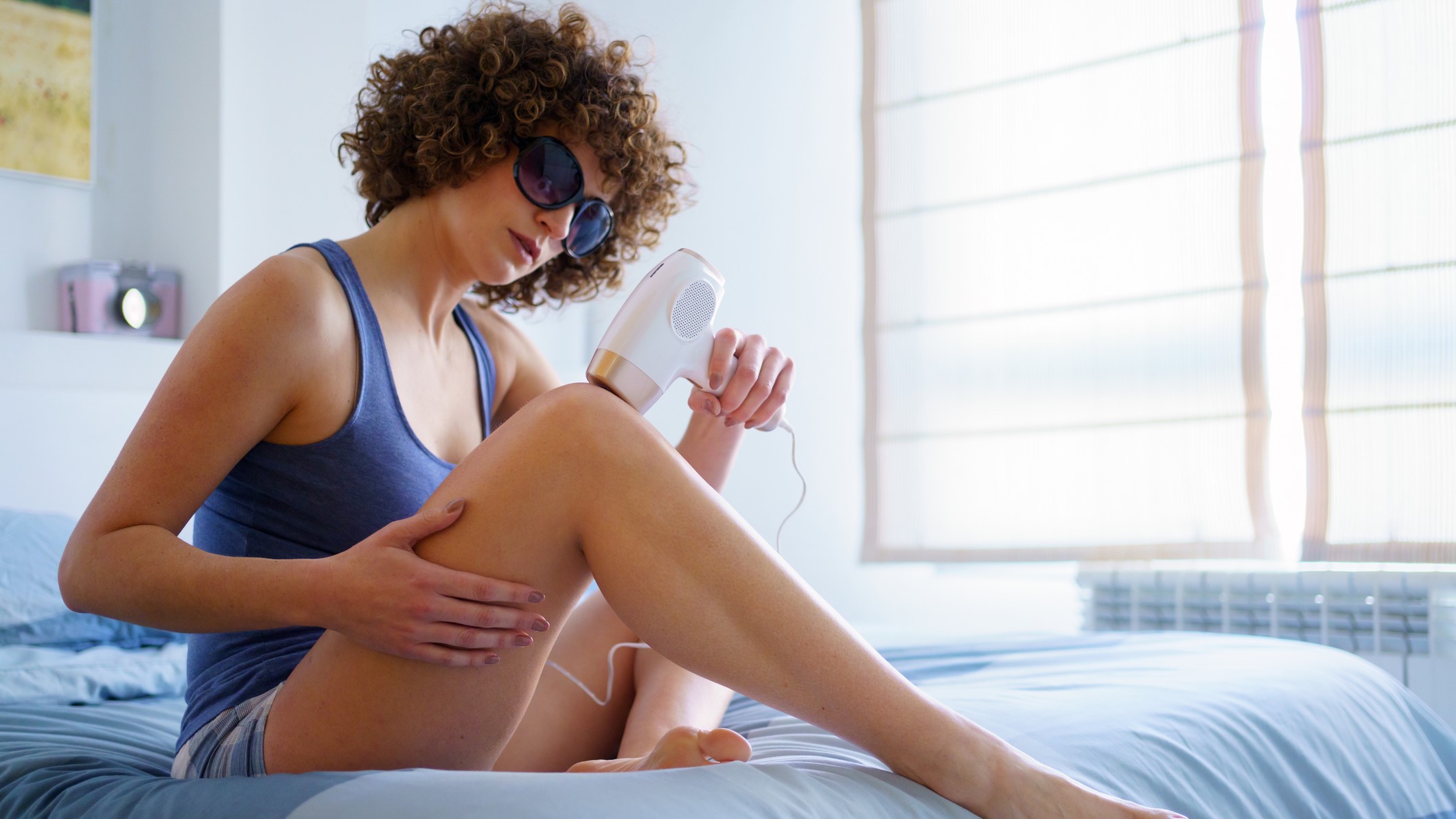
At-home IPL may help if you keep getting ingrown hairs. By reducing hair regrowth over repeated treatments, it leaves fewer hairs that can curl back into the skin. But IPL will not release a trapped hair or calm a bump that is already inflamed, and it is not suitable for every skin tone, hair color, or body area.
There is an important evidence limit: studies of home IPL mostly measure hair reduction, not whether people develop fewer ingrown hairs. IPL is therefore an option to consider for recurring bumps, instead of a guaranteed treatment for them.
Why Do Ingrown Hairs Keep Coming Back?
An ingrown hair forms when a hair grows back into the skin instead of emerging normally. It can leave a small bump that feels itchy or tender and may appear red, brown, or purple. Ingrowns can happen after shaving, waxing, or tweezing, particularly when hair is thick, coarse, or curly. They commonly appear on the face, legs, underarms, and bikini line.
“Razor bumps” are one common version, but not every ingrown hair starts with a razor. The shared issue is what happens as hair regrows. If the same area becomes bumpy after each round of hair removal, changing the removal method or reducing regrowth can help break that cycle.
Not every bump is an ingrown hair, though. If you cannot see a trapped hair, or the bumps are widespread, very painful, or filled with pus, consider other causes of bumpy skin before treating the area as a straightforward ingrown-hair problem.
How Might IPL Help?
At-home IPL may help by reducing the regrowth that keeps creating new ingrown hairs. IPL stands for intense pulsed light. It works by sending pulses of light toward pigment in the hair. With repeated use, a suitable device can reduce regrowth, meaning fewer hairs may have the chance to curl back into the skin and cause new bumps.
This makes IPL most useful when ingrowns keep returning after hair removal. It is a longer-term approach, though: it will not free a hair that is already trapped or clear an inflamed bump today.
In a study of a home-use IPL device, facial hair counts fell after six treatments. The study did not measure ingrown hairs, so we cannot promise the same improvement for bumps. But if regrowth is what keeps triggering yours, reducing that regrowth is a sensible reason to consider IPL, as long as the device is suitable for your skin, hair, and treatment area.
What Should You Do About Existing Ingrown Hairs?
Start by letting irritated skin calm down. IPL is not a way to lift a hair out from under the skin, and flashing over a broken, painful, or possibly infected bump could add more irritation.
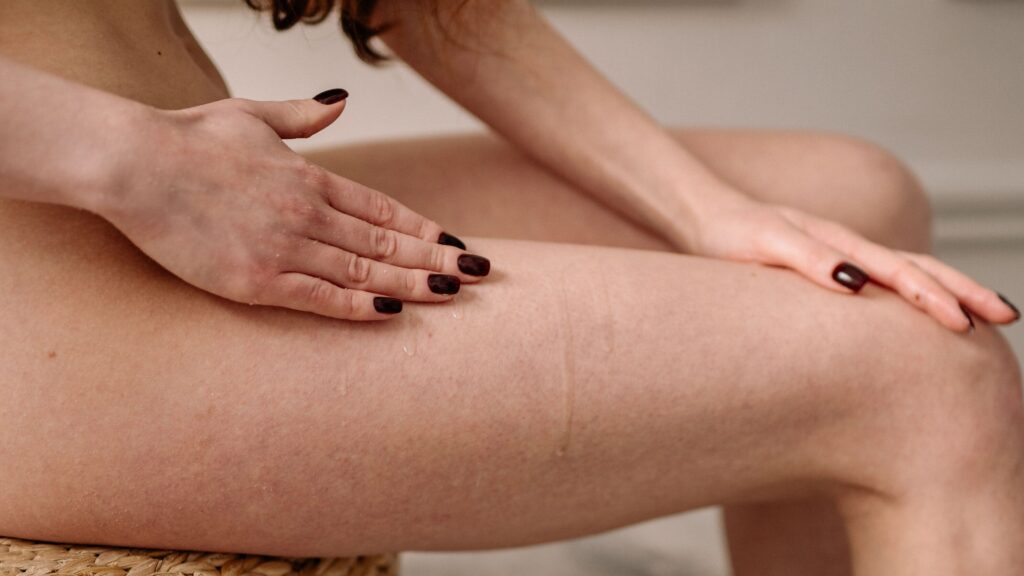
If you can, pause the hair-removal method that keeps aggravating the area. A warm compress may help you feel more comfortable. Avoid squeezing, scratching, or digging for the hair, even when you can see it under the surface; doing so can make infection or scarring more likely.
If shaving repeatedly causes bumps, you do not necessarily have to stop removing hair altogether. An electric trimmer that leaves a little stubble may be easier on your skin than another very close shave. If waxing or tweezing is the trigger, giving the area a break while it heals may be the better first step.
Exfoliation is not a shortcut for an angry bump. You may choose a gentle exfoliating routine later if your skin tolerates it, but avoid scrubbing open or very inflamed skin. Get medical advice if redness spreads, pain worsens, you see pus, or the bumps keep leaving scars.
Is At-Home IPL Right for You?
The most useful question to ask yourself is “Will reducing hair growth with this particular device suit my skin and the area I want to treat?”
| Your situation | Is IPL worth considering? | Best next step |
|---|---|---|
| Ingrowns return whenever hair grows back | Yes, potentially | Check device suitability and expect gradual hair reduction |
| You get an occasional bump | Probably not as a first step | Try changing how you remove hair |
| Your skin is broken or very inflamed right now | Wait | Let it heal before considering IPL |
| Your hair color or skin tone is outside the device’s stated range | No | Choose an appropriate alternative |
| Bumps often leave dark marks or scars | Possibly, with extra care | Focus on preventing new irritation and confirm what causes the bumps |
IPL works by targeting pigment in the hair, so hair color and skin tone affect whether a particular device is likely to be effective and safe. Check your chosen device’s suitability chart about who can use the device.
Treatment area matters just as much. A device cleared or marketed for the legs is not automatically appropriate for the face or every part of the bikini area. If you are considering facial treatment, hormonally driven facial hair may also need different expectations from ingrowns on the legs or underarms.
How to Try IPL Without Adding Irritation
If your skin has calmed and your device is suitable for the area, start by reading the instruction manual. Check the instructions for skin tone, hair color, treatment areas, tanning, tattoos, moles, and how often to use it.
Before your first treatment:
- Check suitability. Confirm that your hair color, skin tone, and chosen body area are within the device’s stated range.
- Follow the preparation instructions. Remove visible hair and complete any test-area step exactly as your manual directs.
- Wait for irritated skin to settle. Do not treat open, very inflamed, or infected-looking bumps.
- Stick to the schedule. Extra sessions or flashes are not a faster route to smoother skin.
- Pay attention to your skin. Stop if you develop significant pain, blistering, or lasting discoloration.
Do not assume every device has the same rules about shaving or waxing beforehand. The same applies to sensitive areas. Permission to treat the outer bikini line does not mean you can use the device on genital or mucosal skin. If a treatment area is not clearly permitted in the manual, do not improvise. It is also worth making basic device safety checks before buying, rather than relying on a product’s “suitable for everyone” claim.
Should You Try IPL or Change Your Hair-Removal Method?
You do not need a device for every ingrown hair. A small change to your current routine may be enough, especially if bumps are occasional.
- If shaving is the main trigger: Try shaving in the direction of hair growth, avoiding an ultra-close shave, or using an electric trimmer. These adjustments can reduce the chance of freshly cut hairs growing back into the skin.
- If bumps follow waxing or tweezing: Consider whether taking a break or switching methods helps. IPL may be worth exploring if you want to reduce regrowth longer term and your device permits your chosen area.
- If ingrowns are frequent and leave marks or scars: Reducing new hair growth may be particularly appealing, but first make sure the bumps are actually ingrown hairs and that home IPL suits your skin.
For severe, persistent, or scarring bumps, professional care may offer options that a home device cannot. According to AAD, professional laser hair removal can help some people with recurrent ingrown hairs, although results from clinic laser treatments should not be assumed to apply to home IPL.
You can also choose different approaches for different areas. A trimmer may keep one spot comfortable, while IPL might be worth trying elsewhere if hair regrowth continues to cause bumps.
Frequently Asked Questions
Can IPL help ingrown hairs caused by waxing or tweezing?
It may. If bumps repeatedly appear as hair grows back, reducing future growth could help regardless of how you previously removed the hair. Just follow your device’s instructions for preparing the area.
Can I use IPL directly over an existing ingrown hair?
IPL will not release a trapped hair. Do not treat an area that is broken, very inflamed, or infected-looking. Let the skin settle first, then follow the device’s instructions for treatment.
Will IPL get rid of ingrown hairs permanently?
Do not expect a guarantee. IPL can reduce hair growth, but some hair may continue to grow and become ingrown. The better result to expect is fewer recurring bumps with less disruption to your routine.
Leave a Reply