
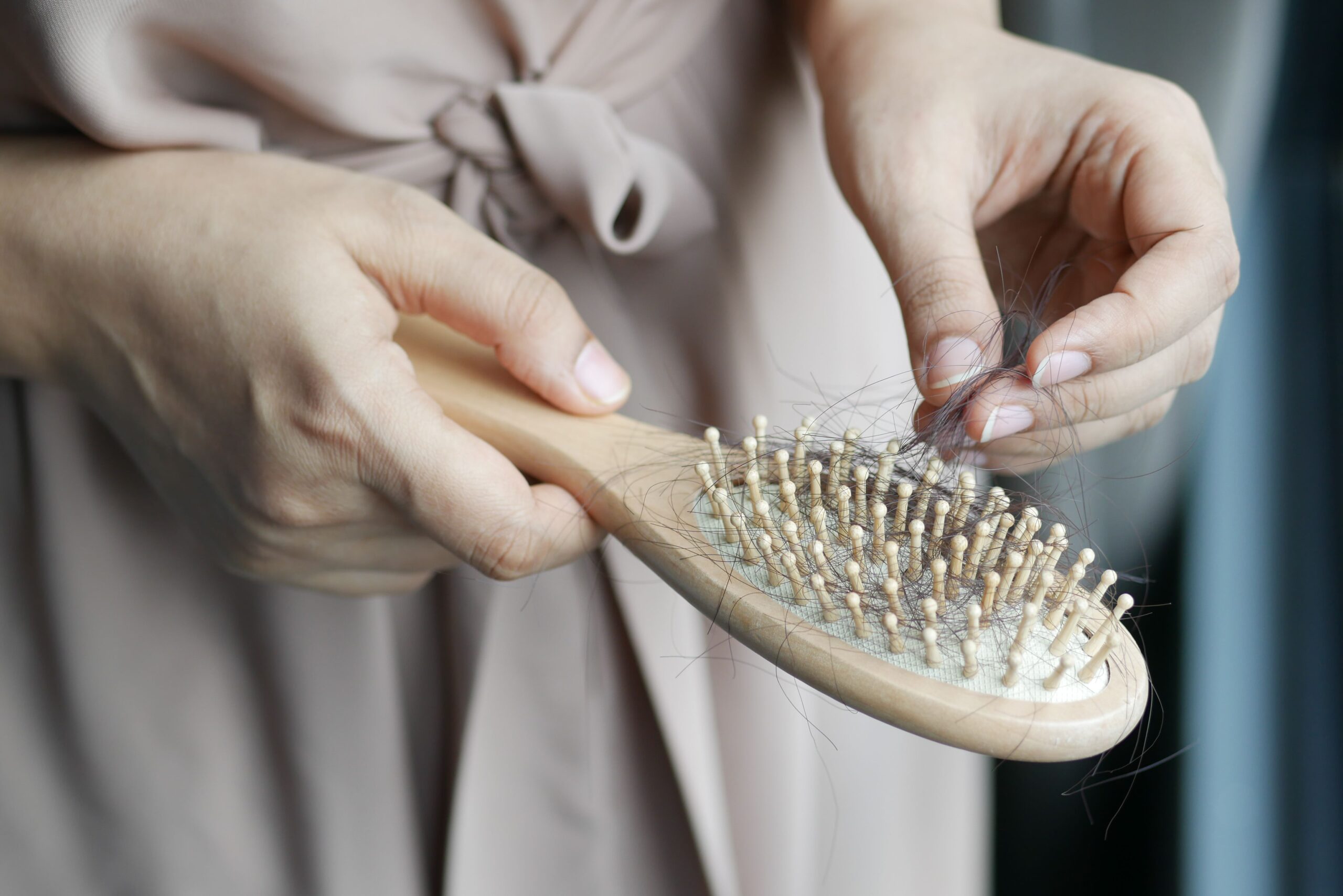
Not all hair loss is the same, and knowing which one you’re dealing with changes everything about how to fix it. Shedding happens at the root and is usually part of a normal cycle, thinning is a gradual reduction in strand thickness or density, and breakage happens along the hair shaft from physical or chemical damage. Confusing the three often leads people to treat the wrong problem entirely.
A Quick Comparison Table
Before diving into each one, here’s the fastest way to tell them apart at a glance:
| Shedding | Thinning | Breakage | |
|---|---|---|---|
| Where it happens | At the root/follicle | At the follicle (over time) | Along the hair shaft |
| What you see | Full-length strands with a small bulb | Finer, shorter, less dense hair overall | Short, frizzy, uneven pieces |
| Typical cause | Illness, stress, hormones, childbirth | Genetics, hormones (DHT) | Heat, chemicals, dryness, friction |
| Timeline | Sudden increase, resolves in months | Gradual, gets worse without treatment | Can appear quickly, fixable in weeks-months |
| Reversible? | Usually, once trigger resolves | Slows with treatment, rarely reverses alone | Yes, with reduced damage and time |
Shedding: The Normal (and Sometimes Not-So-Normal) Hair Loss
Shedding is hair falling out from the root as part of your scalp’s natural growth cycle. At any given time, roughly 85% of your follicles are actively growing, while about 15% are resting before they release the hair and start over.
A few key facts about normal shedding:
- Losing 50 to 100 hairs a day through this process is considered completely normal
- You’ll usually notice full-length strands with a small white bulb at one end, rather than short broken pieces
- Shedding tends to fluctuate seasonally for some people, with slightly higher amounts in late summer and fall
When shedding suddenly increases well beyond that baseline, it’s often a condition called telogen effluvium. This happens when a stressful event pushes far more follicles than usual into the resting phase at once. Common triggers include:
- Childbirth (postpartum shedding is one of the most frequent causes)
- Major illness, surgery, or high fever
- Crash dieting or sudden, significant weight loss
- Extreme emotional or physical stress
- Starting or stopping certain medications
The confusing part is timing. Shedding typically becomes noticeable two to three months after the trigger, so people often don’t connect it to the illness or stressful stretch that actually caused it. The reassuring part is that it’s temporary. Most cases resolve within six to nine months once the underlying trigger is addressed, and complete regrowth is the norm rather than the exception.
Thinning: Gradual Change in Density, Not Sudden Loss
Thinning looks different from shedding because it’s not about hair falling out faster, it’s about each strand becoming progressively finer over time. The most common cause is androgenetic alopecia, a genetically driven process where hair follicles gradually shrink in a process called miniaturization.
Some defining features of thinning:
- Each growth cycle produces a slightly shorter, thinner hair than the one before, until some follicles stop producing visible hair altogether
- It affects roughly half of all men and women at some point in their lives
- Men tend to notice it first at the hairline and crown
- Women more often see diffuse thinning across the top of the scalp while keeping their frontal hairline intact
- It’s driven by sensitivity to a hormone called DHT (dihydrotestosterone), not by a temporary trigger
Unlike shedding, thinning doesn’t reverse on its own. Because it’s rooted in genetics and hormone sensitivity rather than a passing stressor, it typically needs a sustained treatment approach, such as topical minoxidil, rather than simply waiting it out.
Breakage: Damage to the Hair Shaft, Not the Root
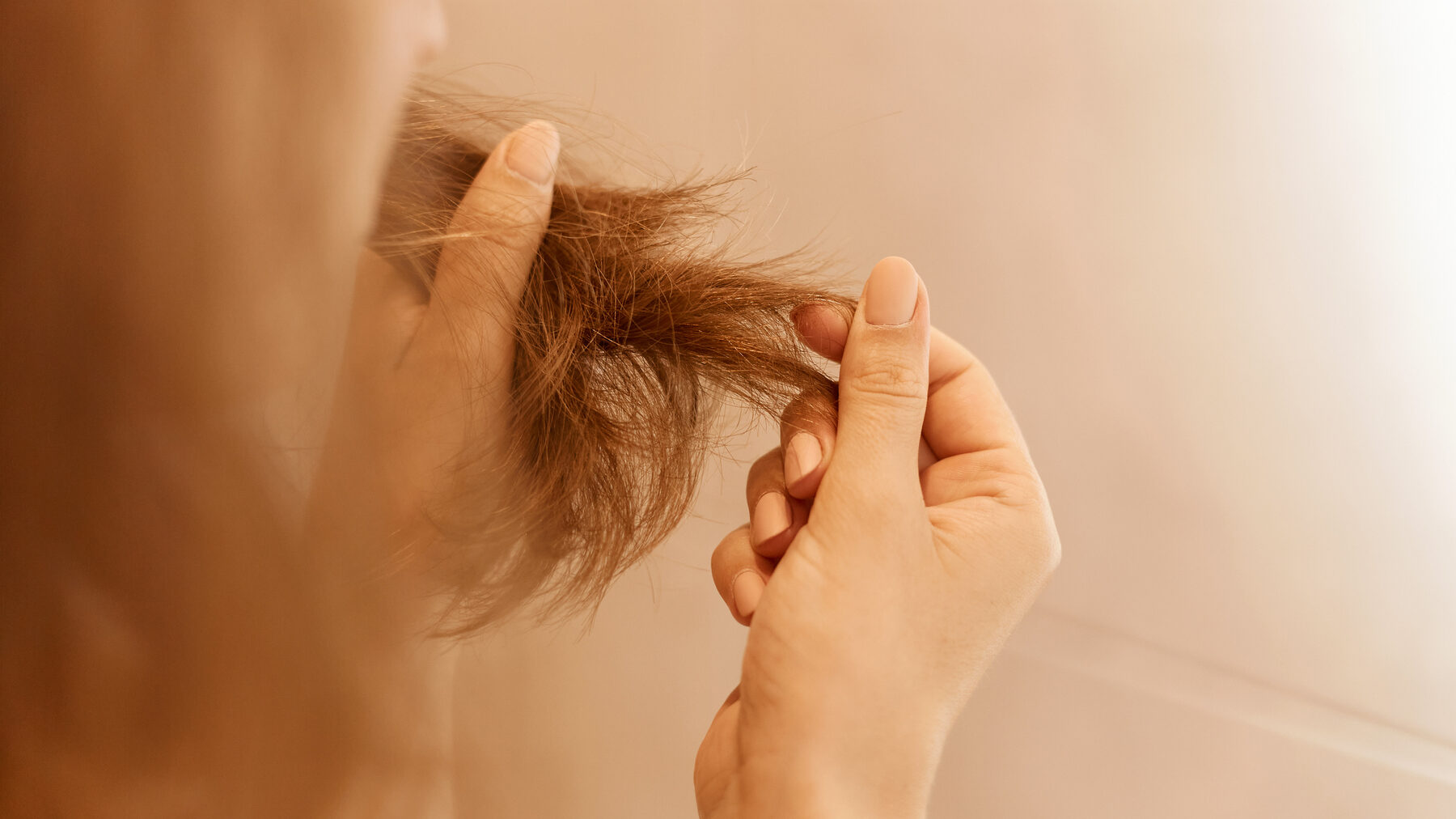
Breakage is fundamentally different from the other two because it has nothing to do with the follicle. It happens when the hair shaft itself becomes weak or damaged and snaps somewhere along its length. Common causes include:
- Frequent heat styling (blow-drying, flat irons, curling wands)
- Chemical treatments like bleaching, perming, or relaxing
- Tight hairstyles that put repeated tension on strands
- Over-brushing or brushing hair while wet
- Dryness and lack of moisture in the hair shaft itself
Because breakage doesn’t affect the root, it shows up differently than shedding or thinning. You’ll typically see short, frizzy pieces scattered throughout your hair rather than full-length strands falling out. A telltale sign is finding little “sprinkles” of short hair around your part or hairline, especially if you use heat tools often or have recently chemically treated your hair.
Breakage is also the most directly fixable of the three. Reducing heat and chemical exposure, deep conditioning regularly, and trimming damaged ends usually resolves it within a few months as healthy new growth replaces the damaged sections.
How to Tell Which One You Have
A few quick checks can help narrow things down before deciding on a next step:
- Look at the shed hair itself: a small bulb at one end usually means normal shedding, while blunt or frizzy short pieces point to breakage
- Check where the hair loss shows up: diffuse thinning across the whole scalp suggests shedding or thinning, while patchy bald spots suggest something else entirely and warrant a dermatologist visit
- Consider your timeline: sudden shedding two to three months after a stressful event points to telogen effluvium, while a slow decline in density over years points to thinning
- Think about recent hair habits: frequent heat styling, coloring, or tight hairstyles points toward breakage as the more likely explanation
- Pay attention to hair length changes: breakage often makes hair look like it’s “not growing,” when in reality it’s breaking off before it can grow longer
If your scalp health is also part of the picture, our guide on treating your scalp like skin covers the routine side of keeping follicles healthy, and to learn more about common breakage triggers, this post on hair dryness can provide more insight for you.
Putting It All Together
Most people dealing with hair loss are actually facing one of these three very different issues, and sometimes more than one at once. Getting the diagnosis right matters, because the fix for breakage (less heat, more moisture) does nothing for genetic thinning, and the fix for thinning (sustained hormone-targeted treatment) does nothing for a temporary shedding phase. Once you know which category fits your situation, the next step becomes much clearer, whether that’s simplifying your styling routine, being patient through a stress-related shedding phase, or starting a longer-term treatment plan for thinning.
FAQ
Can you have shedding and breakage at the same time?
Yes, and it’s actually common. A stressful period can trigger telogen effluvium while ongoing heat styling or dryness causes breakage independently, making the hair loss look more dramatic than either issue would alone.
Does thinning ever reverse without treatment?
Rarely. Because androgenetic alopecia is driven by genetics and hormone sensitivity rather than a temporary trigger, it typically requires ongoing treatment to slow progression rather than resolving naturally.
When should I see a specialist?
If shedding continues beyond six months, if you notice distinct bald patches rather than diffuse thinning, or if there’s scalp redness, scaling, or pain, it’s worth getting evaluated to rule out a different underlying condition.
Sources
- Nolla Health. “Telogen Effluvium: Causes, Timeline & Regrowth.” Nolla Health, 2026.
- Cleveland Clinic. “Telogen Effluvium: Symptoms, Causes, Treatment & Prognosis.” 2023.
- Santhosh, P., & Kidangazhiathmana, A. (2022). Pathogenesis of Androgenetic Alopecia. Clinical Dermatology Review, 6(2), 69–74.
- Trüeb R. M. (2002). Molecular mechanisms of androgenetic alopecia. Experimental gerontology, 37(8-9), 981–990.
- New Beauty Editors. “Hair Breakage vs Hair Shedding: 8 Signs to Spot the Difference.” 2025.
Leave a Reply